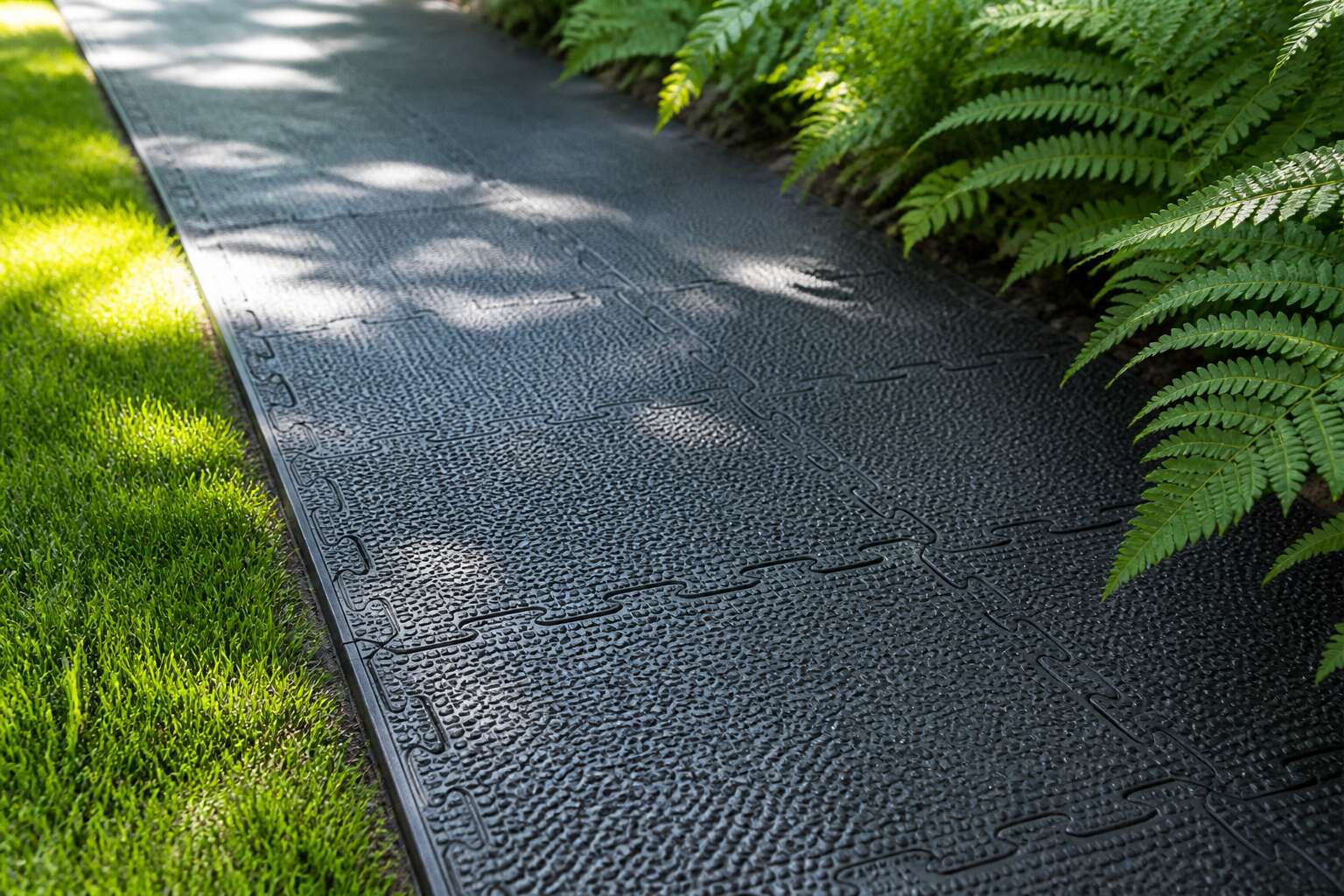
Outdoor Rubber Flooring Fundamentals
The South African sun is a tyrant. It cracks concrete, fades paint, and turns wooden decks into splintered hazards. Yet the ground beneath your feet can be engineered to endure it all. External rubber matting is not just a surface; it is a foundation for daily life, a quiet promise of safety and longevity against the elements.
Modern rubber flooring fundamentals rely on dense vulcanised compounds that shrug off UV rays and torrential downpours. This material provides a high coefficient of friction, which is critical for patios and pool surrounds where water is a constant presence. It also absorbs impact, reducing fatigue when you stand for long periods at the braai.
Security is another layer of its value. A heavy-duty rubber mat is difficult to lift and remove without tools.
– It conceals fasteners and creates a seamless barrier.
– It dampens the sound of footsteps, adding a layer of privacy.
– It resists staining from oil, grease, and garden soil.
For homeowners seeking reassurance, this matting anchors your space with a grounded heaviness. It transforms a volatile outdoor environment into a stable, manageable extension of your home, offering a beauty that is purely utilitarian and deeply reassuring.
Benefits for Commercial and Residential Spaces
In South Africa, the elements are not passive observers; they are participants in the erosion of our spaces. Rain hammers, the sun scorches, and the wind carries a fine, abrasive dust. This relentless assault leaves its mark on traditional surfaces, which crack, fade, and become treacherous. The solution is not to build higher walls, but to arm the ground itself. External rubber matting provides a resilient first line of defence against this daily degradation, offering a sturdy barrier for pathways, patios, and industrial thresholds.
This material thrives where others fail, absorbing the brutal impact of heavy foot traffic in commercial zones while remaining forgiving underfoot. For residential properties, it transforms a muddy, chaotic entrance into a stable, dry threshold, a small piece of order in an unpredictable climate. The benefits unify both domains:
– Slip resistance during highveld thunderstorms
– A reduction in noise from bustling work environments
– A protective skin for the foundation, deflecting the cold
The choice is not about mere aesthetics; it is a quiet, deliberate act of fortification against the inevitable wear of time.
Selecting the Right Outdoor Rubber Surface
In South Africa, the sun beats down with a ferocity that cracks ordinary surfaces. Choose external rubber matting that endures this onslaught. We see it in driveways, pathways, and play areas. I recommend inspecting the drainage first. Standing water causes damage, and a rubber surface should shed rain swiftly. Consider these properties:
- Thickness grade for impact zones
- UV stabilised compounds
- Slip resistance in wet conditions
The underlying earth shifts with the seasons, and your matting must flex without tearing. Measure the load, then compare the options. A fire lane requires heavier duty external rubber matting than a garden path, so match the material to the actual traffic. Our clients in Gauteng often overlook the edge treatment. Well-fastened edges prevent tripping and uplift, while cheap alternatives curl within months. Take time to probe the sample with your own hands! The best surfaces feel substantial, not spongy.
Installation Planning and Site Preparation
Nothing ruins the promise of a fresh installation faster than a shoddy foundation. The ground beneath your chosen area is the real boss here. It dictates everything, from drainage to the long-term stability of the surface. Before you even think about unrolling the rolls, you need to audit the site. This isn’t just about removing a few weeds, it is a complete reset.
Walk the terrain and look for the usual suspects. Loose gravel, deep mud, or an uneven slope will lead to a rippled, messy finish once the heavy rains arrive. The bedrock of any successful job is a compacted, level base. Ignore this, and you are building a castle on sand. For most garden paths or play areas, you will need to excavate a few centimetres down. You can fill this with a sharp sand and crusher dust mix. It creates a firm platform that allows water to escape quickly.
– Remove all organic matter like grass and roots.
– Screed the area to ensure a consistent fall for water runoff.
– Compact the sub-base thoroughly with a plate compactor, if possible.
The most common mistake is forgetting about the edges. If you live in a windy region, like the Cape, the matting will need a secure anchor point. Consider a timber frame or a metal edging to hold the perimeter down. This simple addition transforms the job from a temporary fix into a permanent feature. It is a step that saves you from grinding headaches later.
Maintenance and Performance Optimization
There is a special kind of South African alchemy that turns summer thunderstorms into instant slip-and-slides on paving. Your exterior walkways become a hazard if you ignore the very material designed to save you. Regular cleaning of your external rubber matting is not just about aesthetics. It actively removes the grit and grime that breaks down the rubber compound over time. A simple rinse with a hose after a dusty week works wonders, but you need a deeper approach every few months.
The performance of your matting depends on the debris you allow to settle. Sand acts like sandpaper, wearing down the surface underfoot. Oils and brake dust create a slick film that defeats the entire purpose of the traction. I recommend a pressure washer on a low setting, or a stiff broom with a mild soapy solution. It takes thirty minutes of your Saturday, and it prevents the material from becoming brittle.
Consider the daily abuse your entry points receive:
- Use a degreaser for driveways to prevent oil seepage.
- Lift the mats periodically to clear the drainage holes underneath.
- Trim any grass or weed growth that pushes against the edges.
After a few hard winters, you might notice the rubber losing its elastic snap. That “harvest tar” look is actually the matting becoming waterlogged or sun-stressed. Do not panic and do not paint over it. You can extend the lifespan by ensuring you picked a product with proper UV inhibitors from the start. If you notice curling edges, that is a sign of improper installation, not a defect. Re-securing the perimeter with landscape pins stops people from tripping. This optimization ensures your investment holds up against the harsh African sun. The goal is to have a surface that works hard, so you don’t have to think about it. Just keep it clean, keep it dry, and it will keep you upright.
Safety Standards and Compliance Considerations
Ever seen a pavement turn into an ice rink after a drizzle? That is precisely the mayhem that substandard external rubber matting can cause. Slip resistance is sacred, but many suppliers skip the hard part: rigorous testing. In South Africa, SANS 10044 sets the baseline, yet I have witnessed mats that fail within months under coastal sun. Compliance is not a sticker on a box, it is a paper trail.
- Verify the SANS certification number.
- Demand UV stabilisation data.
- Request the actual slip test results, not a brochure.
Insurance assessors love a good denial, and a dodgy mat gives them that excuse. Your liability spikes faster than a Jozi pothole appears.


0 Comments