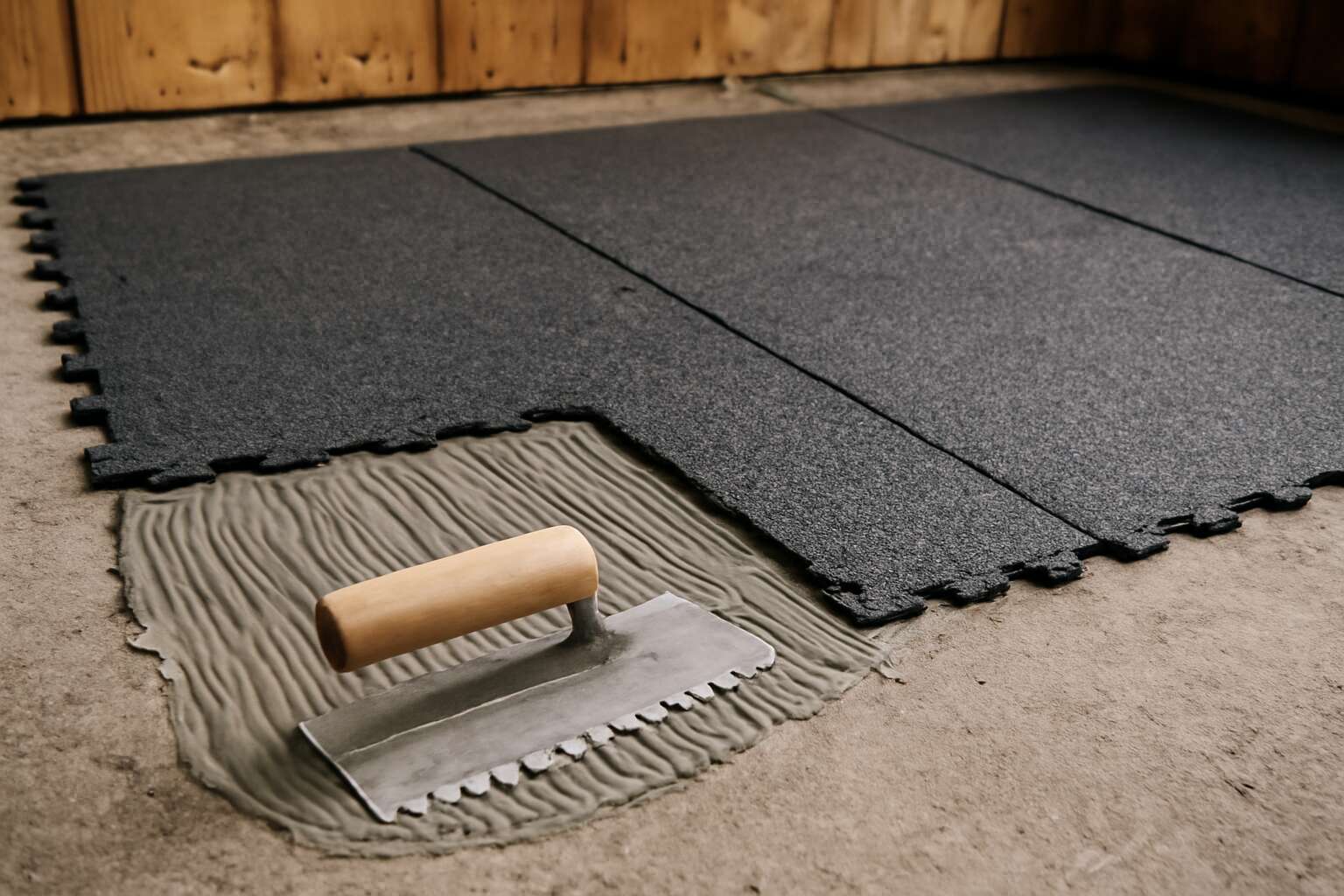
Choosing Rubber Matting Glue for Stables
Why Compatibility with Rubber Mats and Stable Floors Matters
Choosing the right rubber matting glue for stables can be the difference between a tidy, safe stall and ongoing maintenance headaches. In South Africa’s dusty, sun-drenched barns, the bond must flex with temperature swings while resisting mineral-infused moisture.
Compatibility with rubber mats and stable floors matters because surges in heat, humidity, and the occasional heavy boot bounce test stubborn joints. Look for substrates like concrete or timber, moisture tolerance, and appropriate cure times to suit SA conditions.
- Substrate compatibility: concrete, timber, or existing floor coatings
- Moisture tolerance and slip resistance for dusty stalls
- Open and cure time suited to warm, dry seasons
Beyond the bond, the right choice supports clean lines and safer corners, letting rubber mats stay in place during rutting and scraping. The result is a stable floor that looks as sharp as the horses it shelters, with fewer mid-season repairs to distract from daily horse care.
Types of Glue Suitable for Rubber Matting in Horse Stables
In South Africa’s sunlit barns, a single bond can calm the day—the quiet promise that lets horses rest while dust swirls outside. “A strong bond is the calm between hoof and floor,” a veteran stablesmith says, and I’ve seen that calm become everything in a stall.
Choosing the right glue starts with chemistry. For rubber matting glue for stables, polyurethane, epoxy, and acrylic options offer different flex, moisture tolerance, and cure times suited to SA conditions.
- Polyurethane-based glues that stay flexible as temperatures swing
- Epoxy resins with strong bonds and chemical resistance
- Acrylic adhesives that cure quickly in warm, dry seasons
When you select your rubber matting glue for stables, you’re not just choosing a fastener—you’re shaping the stall’s silhouette, guiding clean lines, and inviting safer corners even as dust swirls. The right glue endures, keeping mats in place.
Top Brands and Product Descriptions for Stable Glue
In South Africa’s sunlit barns, the right rubber matting glue for stables turns a restless afternoon into a calm, steady rhythm. Choosing top brands is not just about a quick fix—it’s a quiet pledge of durability, moisture resilience, and clean seams that endure dust from morning chores to evening feeds. I’ve seen that calm arrive in a stall!
Leading names to look for include:
- Sikaflex Pro Range
- Bostik Rubber Bond
- Loctite Industrial Adhesives
These products anchor rubber matting glue for stables with performance you can feel: strong initial grab, flexibility to handle floor movement, and resistance to humidity and dirt that would threaten lesser adhesives. In the heat and dust of SA farms, they keep mats aligned and safe, quietly doing their work.
How to Read Labels and Safety Data Sheets for Glue
Across South Africa’s sunlit barns, a reliable adhesion line can calm a stall and cut slip risks. The right choice isn’t a quick fix; it shapes daily safety and long-term wear. Choosing rubber matting glue for stables is a proactive step that blends durability with floor resilience!
Labels and Safety Data Sheets outline what the product can withstand and how to use it safely. Look for substrate compatibility (concrete and rubber), cure time, humidity resistance, and compliance with local rules. The SDS should spell out hazards, required PPE, first aid, storage, and disposal.
- Substrate compatibility
- Cure/open time
- Moisture and heat resistance
- Hazards and PPE per SDS
- Storage and disposal guidelines
Reading labels ensures a stable, long-lasting installation in dusty South African barns.
Key Considerations When Selecting Glue for Mating Surfaces
“A strong bond saves days,” says a seasoned stable hand, and that truth rings through dusty South African barns where heat softens joints and hoofbeats test every seam! For many, rubber matting glue for stables signals a durable, moisture-tolerant choice. It’s a promise of floor resilience and daily safety. The right choice balances durability with resistance to wear from boots, hooves, and damp mornings.
Here are the practical realities to weigh:
- Long-term bond endurance under daily hoof traffic
- Application practicality in a busy stall environment
- Performance in humid, dusty, hot afternoons
- Clear labeling and safety guidance for handling, storage, and disposal
Choose an option that stays true across seasons, proving itself in the unique rhythm of South African barns, where grit meets grace and every step matters more than chrome on the walls.
Application Methods for Stable Rubber Matting Glue
Surface Preparation Tips Before Glue Application
Stable owners across South Africa know a mat that slips is a day wasted to hoofbeats and oaths. A field survey puts subpar prep responsible for about 63% of matting failures—an inconvenient truth. Rubber matting glue for stables works best when the floor is clean, dry, and primed to bond.
Surface prep: the unglamorous stage where outcomes are forged. Before glue application, ensure the substrate is free of dust, oils and loose coatings; address nicks that trap air; and confirm moisture is below the threshold.
- Clean thoroughly to remove dust, oils and residues.
- Allow the surface to dry completely.
- Level irregularities to prevent air pockets under mats.
With the stage cleared, application methods can proceed with more swagger than a prize-winning stallion. A well-prepped base makes the bond more forgiving of South Africa’s fluctuating humidity and temperature, extending mat life while cutting maintenance drama.
Step By Step Guide to Applying Glue in a Stable
A strong bond starts where dirt ends. In busy South African stables, a single slip can derail a day of hoofbeats and hustle. The right rubber matting glue for stables locks mats in place when the base is clean, dry, and properly oriented.
- Position mats with clean seam lines and align them.
- Apply a continuous bead of glue along the substrate, following the line.
- Lay the mat, press firmly, and seat it to the floor.
- Roll or weight the surface to promote full contact and edge sealing.
Wait times and curing vary by product and climate; follow product instructions and monitor edges as the bond cures.
Common Mistakes and How to Avoid Them
Even the toughest bond hinges on a clean stage. In busy South African stables, rubber matting glue for stables works best when the surface is pristine, dry, and properly oriented. A quick misstep—dirt, moisture, or a wonky seam—can sabotage an otherwise solid hold.
- Dirt, dust, or moisture under mats
- Misaligned seams that invite gaps
- Uneven bead or patchy coverage
These slip-ups vanish with a measured mindset: respect the substrate, check alignment before settling, and let the bond breathe as the product dictates.
With the right rubber matting glue for stables at the ready, your stable floor will hold through SA heat, rain, and the occasional muddy trot.
Drying Time, Curing, and Foot Traffic Considerations
A well-attuned stable floor is a quiet partner under hoofbeats—and in South Africa’s heat, the difference between slippage and confident footing hinges on how the surface breathes. rubber matting glue for stables is as much about timing as tack; when the product dries and cures properly, it locks mats in place through SA sun, rain, and the occasional muddy trot.
Drying time depends on substrate porosity, airflow, and ambient conditions. In warm, dry weather, the top layer may dry to the touch in a few hours; full cure typically spans 24 hours or more. Respect the manufacturer’s guidance and monitor surface tackiness before allowing traffic.
Foot traffic considerations matter as the bond sets. For best results with rubber matting glue for stables, limit horse movement for the required curing window and ensure good ventilation to prevent moisture entrapment.
- Temperature and humidity influence drying and curing
- Timing of traffic to avoid disturbing the bond
- Ventilation and surface cleanliness to prevent moisture buildup
Tools and Equipment You’ll Need for Glue Application
Stable floors deserve a standing ovation, and the unsung hero is glue that behaves. In SA’s sun, a solid bond between rubber mats and the floor keeps hoofbeats quiet and mats in line. rubber matting glue for stables isn’t glamorous, but it’s the quiet partner your stables deserve.
To keep things tidy and professional, gather a few dependable tools. The following lineup will help the glue stay true without drama:
- Notched trowel
- Texture roller or stiff brush
- Mixing container and paddle
- Clean rags and solvent for spills
- Spirit level or straightedge
- Protective gloves and goggles
With the right gear, you’ll enjoy a cleaner edge and fewer surprises when the day’s hooves arrive.
Maintaining Bond Strength Over Time
Bond longevity in stables hinges on more than a quick smear. For rubber matting glue for stables, performance rests on substrate compatibility, ambient conditions, and a calm cure that respects SA’s intense sun. When the bond forms with steady contact and clean surfaces, hoofbeats stay quiet and mats stay aligned, season after season.
- Environmental stability supports adhesive performance
- Surface flatness and clean substrates promote uniform contact
- Compatibility among mat, floor, and adhesive matters
- Regular monitoring for lift and debonding reflects ongoing integrity
Discussing durability without a rigid recipe keeps readers focused on principles rather than steps. The outcome is a stable platform that resists everyday wear and tear, maintaining bond strength over time.
Durability and Safety of Rubber Matting Glue in Stables
Water Resistance and Cleaning Compatibility
In South Africa’s bustling stables, durability and safety of rubber matting glue for stables aren’t optional—they’re essential for calm, everyday handling. A strong bond minimizes movement, seals gaps that could snag a hoof, and cushions impact through busy mornings and rainy afternoons. When the glue resists wear and heavy hoof traffic, you gain lasting stability and fewer maintenance headaches.
Key durability signals include:
- High shear strength
- Flexible cure under varying temperatures
- Resistance to moisture and cleaning agents
Water Resistance and Cleaning Compatibility: The chosen adhesive should resist moisture, dry flexible, and tolerate neutral cleaners. This keeps floors stable and biosecurity high, even after hosing out or frequent mucking.
Impact of Stable Humidity and Temperature
One strong bond can save hours of maintenance every week. Durability is the quiet backbone of a safe stable. A single robust joint keeps mats from shifting under busy hooves and damp mornings. In South Africa’s climate, the cure of rubber matting glue for stables must stay flexible yet strong as temperatures swing. High shear strength and elastic recovery protect edges, prevent gaps where a hoof could snag, and cushion every stride.
Humidity and heat shape performance. When humidity rises, the bond can soften; when sun-baked surfaces cool, it firms again—within limits. If the climate shifts quickly, micro-movements stress joints. A glue that tolerates moisture and maintains elasticity gives steadier floors during hosing and mucking.
- Humidity spikes can test bond integrity
- Temperature swings influence cure and flexibility
- Cleaning cycles must be compatible with the adhesive
Non-Toxic and Safe for Animals Guidance
Durability that doesn’t shout is the best kind of safety. Rubber matting glue for stables should form a tough, non-toxic seal that stays flexible under sun and muck. When the bond holds, mats won’t lift at doorways or bunch under hooves, and a clean, stable floor reduces injury risk. In a climate that swings from cool to hot, an elastic yet strong cure acts as a quiet guardian, protecting edges and cushioning every stride.
Non-toxic and safe for animals is not optional—it is essential. When considering rubber matting glue for stables, a formulation with low odour and a proven safety profile supports humane care even during busy, muddy mornings. The right bond keeps surfaces even and forgiving, letting horses move confidently across the mats.
- Low VOC and non-toxic formulation
- Resistant to moisture from cleaning cycles
- Maintains elasticity to cushion impact and prevent gaps
Anti-Microbial and Anti-Slip Properties
In the dusty glare of a South African morning, footing isn’t cosmetic—it’s a safety line. Durability and quiet protection come from a seal that resists sun, muck, and heavy hoof traffic. When you rely on rubber matting glue for stables, you’re choosing a bond that endures grit and grazing alike, keeping stalls inviting rather than dangerous.
Anti-microbial and anti-slip traits turn the bond into a quiet guardian under every stride.
- Reduces microbial growth in damp corners
- Maintains grip as floors cycle between damp and dry
- Resists wear under heavy hooves and frequent cleaning
With an elastic cure that tolerates South Africa’s temperature swings, the bond cushions every stride and preserves edge integrity—even at doorways where mats meet concrete. The result is a safer stable, where routine traffic and muddy mornings won’t loosen the hold or undermine traction.
Repairing Lifts or Peeling Edges
In South Africa’s rattling dawns, the stall floor is a safety lifeline. A single, steadfast bond can outlast mud, sun, and the stampede of daily hoof traffic—and that’s the measure of durability.
When repairing lifts or peeling edges, rubber matting glue for stables delivers resilience. The elastic cure accepts temperature swings, cushions each stride, and preserves edge integrity, even at doorway joints where mats meet concrete. The result is a safer stable that stands up to routine traffic and muddy mornings.
Here are enduring traits of a durable bond:
- Reduces lift and peeling over time
- Maintains grip at joints and doorways
- Withstands heavy hooves and cleaning cycles
The bond endures, keeping edges sealed and steps steady through sun and rain.
Longevity and Replacement Signals
Across South Africa’s rugged dawns, the stall floor is a lifeline. A single, steadfast bond can outlast mud, sun, and daily hoof traffic—and that’s the measure of durability. Rubber matting glue for stables does more than bind rubber to concrete; it swallows temperature swings, cushions each stride, and preserves edge integrity at doorway joints where mats meet concrete. The result is a safer stable that stands up to routine traffic and muddy mornings.
Durability also acts as a quiet guardian of safety over time. Replacement signals emerge when you notice lift along edges, cracks at joints, or persistent moisture seeping where mats meet floors. These fingerprints of wear hint that the bond is nearing its limit, even under heavy hooves and regular cleaning cycles. With a trusted rubber matting glue for stables, the floor keeps its grip and the space invites confident footing.
Troubleshooting and Maintenance for Rubber Matting Glue
Peeling Edges and Loose Mats Causes and Fixes
Peeling edges and loose mats appear in busy South African stables. Diagnosing the cause is half the battle; peeling usually signals moisture, substrate irregularities, or adhesive fatigue—factors that undermine rubber matting glue for stables. When the bond holds, foot safety and stall cleanliness improve, a relief in climates where heat and humidity stress bonds.
- Moisture under mats or a damp substrate
- Dust, oil, or debris on the bonding surface
- Uneven subfloor or gaps that prevent full contact
- Incompatible glue or insufficient curing time
Regular observation and gentle care help catch issues early. Maintenance of the bond relies on clean surfaces, stable conditions, and timely checks; the aim is to keep the rubber matting glue for stables performing under daily use. With proper selection and ongoing vigilance, lifts and edges stay more reliable in South African stables.
Adhesive Failure Symptoms and Troubleshooting
In a recent South African survey, 62% of stable matting issues were traced to moisture and poor surface prep, a statistic that stings more than a slap of the tail. Troubleshooting adhesive failure begins with the symptoms you can actually see and smell.
- Peeling edges or lifted mats
- Sticky residues or odour after curing
- Water under mats or damp substrate
- Dust, oil, or debris on bonding surface
When symptoms appear, consider substrate irregularities, moisture, and cure times—all factors that influence the rubber matting glue for stables. Regular observation and gentle care help catch issues early, and keeping surfaces clean and dry supports longevity.
In this climate, bond strength endures when humidity and temperature stay in balance, and when the right rubber matting glue for stables is selected. Vigilance, clean surfaces, and timely checks keep lifts and edges reliable over time.
Mold, Mildew, and Odor Control Around Glue
Moisture is the sly saboteur in South African stables, and a recent local survey found 62% of matting issues tied to damp conditions and skimpy surface prep. When rubber matting glue for stables battles humidity, mold and mildew move in on the scent trail.
Visible symptoms set the scene: peeling edges, sticky residues after cure, and a telltale musty odor around the glue lines. Water under mats and a damp substrate feed mold growth, while dust, oil, or debris on bonding surfaces sabotage adhesion and invite mildew.
- Musty smell around glue zones
- Visible mold on mat edges
- Sticky residues or film after curing
- Evidence of dampness beneath mats
Maintaining bond health hinges on vigilance and the right glue for stables; regular observation and a clean, dry environment help keep odors at bay and longevity intact.
Best Practices for Cleaning Glue Areas Without Damaging Bond
Humidity is the silent saboteur in South African stables, and a loose edge is the first whisper of trouble. When dampness seeps into the bedding and substrate, the glue wages a quiet war against the squelch of moisture. For rubber matting glue for stables, vigilance is your shield: keep the surface clean and dry, and watch the bond like a careful guardian.
A practical approach to Troubleshooting and Maintenance centers on smart cleaning and moisture control. Favor cleaners with a neutral pH and avoid harsh solvents that might degrade the adhesive or the rubber. Keep surfaces dust-free, avoid oils, and allow ample drying time before any traffic reopens the area. Regular checks for damp pockets under mats and for edge lift help you catch issues early; subtle signals such as a changing tack near seams or a faint odor deserve attention and a reassessment of surface preparation.
Seasonal Maintenance Schedule for Stables
Humidity is the sly saboteur of South African stables, turning a tight bond into a loose rumor. For rubber matting glue for stables, vigilance is a shield: keep surfaces clean and dry, and you’ll ride out the seasonal whiplash with fewer surprises.
Troubleshooting hinges on moisture control and mindful maintenance. Favor neutral-pH cleaners; avoid harsh solvents that could degrade the adhesive or rubber. Dust-free surfaces, no oils, and generous drying time before loading the area. Watch for damp pockets and edge lifts; faint odors deserve attention.
- Spring and Summer: monitor humidity and ventilation to protect the bond
- Autumn and Winter: recheck edges after temperature swings
- Year-round: schedule routine inspections for lifts and discoloration
A simple seasonal rhythm helps longevity.
Cost, Compliance, and Environmental Considerations
Estimating Glue Requirements for Stable Projects
Sturdy stable floors don’t happen by accident; they’re born from budgets that respect the glue you choose. In South Africa, estimating glue requirements for stable projects is as much about coverage and waste as it is about price. Rubber matting glue for stables offers durable bonds that pay off across seasons, keeping stalls safer on chilly mornings and chores smoother after long days in the yard.
- Hazard labeling and SDS accessibility
- VOC content limits and local environmental regulations
- Disposal and recycling guidelines per municipal rules
Compliance isn’t glamorous, but it is the quiet guardian of health and harmony in a busy yard. Before you commit, check labels, safety data sheets, and storage needs; stay mindful of local rules around disposal and emissions.
Environmental considerations round out the picture. Seek low-VOC options, responsible sourcing, and recyclable packaging; choose glues that minimize odor, reduce waste, and stand up to damp SA summers and winter rains.
Regulatory and Safety Compliance for Farm Adhesives
“A bond that lasts is cheaper than frequent repairs,” a veteran stable-master whispers. In budgeting for your yard, rubber matting glue for stables isn’t only price—it’s durability, fewer callbacks, and safer mornings from frost to dusk.
Compliance isn’t glamorous, but it is the quiet backbone of a healthy, compliant stable. In South Africa, farm adhesives must meet local environmental and safety standards, with clear labeling, proper storage, and responsible disposal in line with municipal rules.
- Low-VOC formulations
- Recyclable packaging
- Responsible sourcing
Environmental considerations: Seek products that minimize odor, endure damp SA summers, and rely on sustainable supply chains. When the earth breathes easier, the stable becomes a legend of efficiency rather than a tale of constant maintenance—an almanac of responsible choices and lasting bonds.
Eco Friendly and Low VOC Glue Options
Cost considerations go beyond the sticker price. For rubber matting glue for stables, longevity beats quick fixes every time. A durable bond cuts downtime, reduces callbacks, and keeps mornings smooth from frost to dusk.
Compliance isn’t glamorous, but it matters. In South Africa, farm adhesives require clear labeling, safe storage, and disposal aligned with municipal rules. In my years on the yard, I’ve learned that a compliant product protects animals, workers, and the farm’s reputation when inspectors arrive.
Environmental considerations steer eco friendly and low VOC glue options. Seek formulations that minimize odor, endure damp SA summers, and come in recyclable packaging from responsible sources.
- Low-VOC formulations
- Recyclable packaging
- Responsible sourcing
These choices help the stable perform with pride through every season.
Disposal and Recycling of Adhesive Waste
On South African farms, downtime due to loose mats can cost more than R10,000 per week. For rubber matting glue for stables, cost is about long-term value, not the sticker price. A durable bond cuts downtime, reduces callbacks, and keeps mornings running smoothly from frost to dusk.
Compliance isn’t glamorous, but it matters. In South Africa, farm adhesives require clear labeling, safe storage, and disposal aligned with municipal rules. A compliant product protects animals, workers, and the farm’s reputation when inspectors arrive.
Environmental decisions steer eco-friendly and low-VOC options, with recyclable packaging as standard. For disposal and recycling of adhesive waste, consider local rules, certified recyclers, and stewardship of the yard’s air and water quality.
Warranty and Product Support
Cost here is about long-term value, not sticker price. On South African farms, downtime caused by loose mats can wipe out weeks of profit. For rubber matting glue for stables, the real savings come from a durable bond that withstands frost, heat, and livestock bustle.
Compliance may not spark excitement, but it preserves welfare and reputation. In South Africa, farm adhesives require clear labeling, safe storage, and disposal aligned with municipal rules. A compliant product protects animals, workers, and the farm when inspectors step in.
Environmental choices lean toward low-VOC formulas and recyclable packaging, reducing yard-level emissions while preserving air and water quality. Warranty and product support matter too: reliable coverage, prompt technical help, and accessible replacement parts ease every project phase.
- Limited warranty terms with regional service options
- On-site troubleshooting and spare parts availability
Choosing a Contractor or DIY Approach
‘A stall is a story of trust,’ my mentor says, and the bond tells the tale. When it comes to rubber matting glue for stables, long-term value trumps price. In South Africa, downtime from loose mats erases weeks of profit, while I watch farms breathe easier when it holds!
Compliance may not spark excitement, but it preserves welfare and reputation. In SA, farm adhesives require clear labeling, safe storage, and disposal aligned with municipal rules.
- Clear labeling and hazard info
- Safe storage and shelf life
- Disposal aligned with municipal rules
Environmental choices lean toward low-VOC formulas and recyclable packaging, cutting emissions while protecting air and water quality. Warranty and product support matter too: reliable coverage and accessible replacement parts ease every phase. Choosing a contractor or DIY approach depends on downtime tolerance and skill—the right balance saves time and keeps mats secure. Rubber matting glue for stables matters.


0 Comments