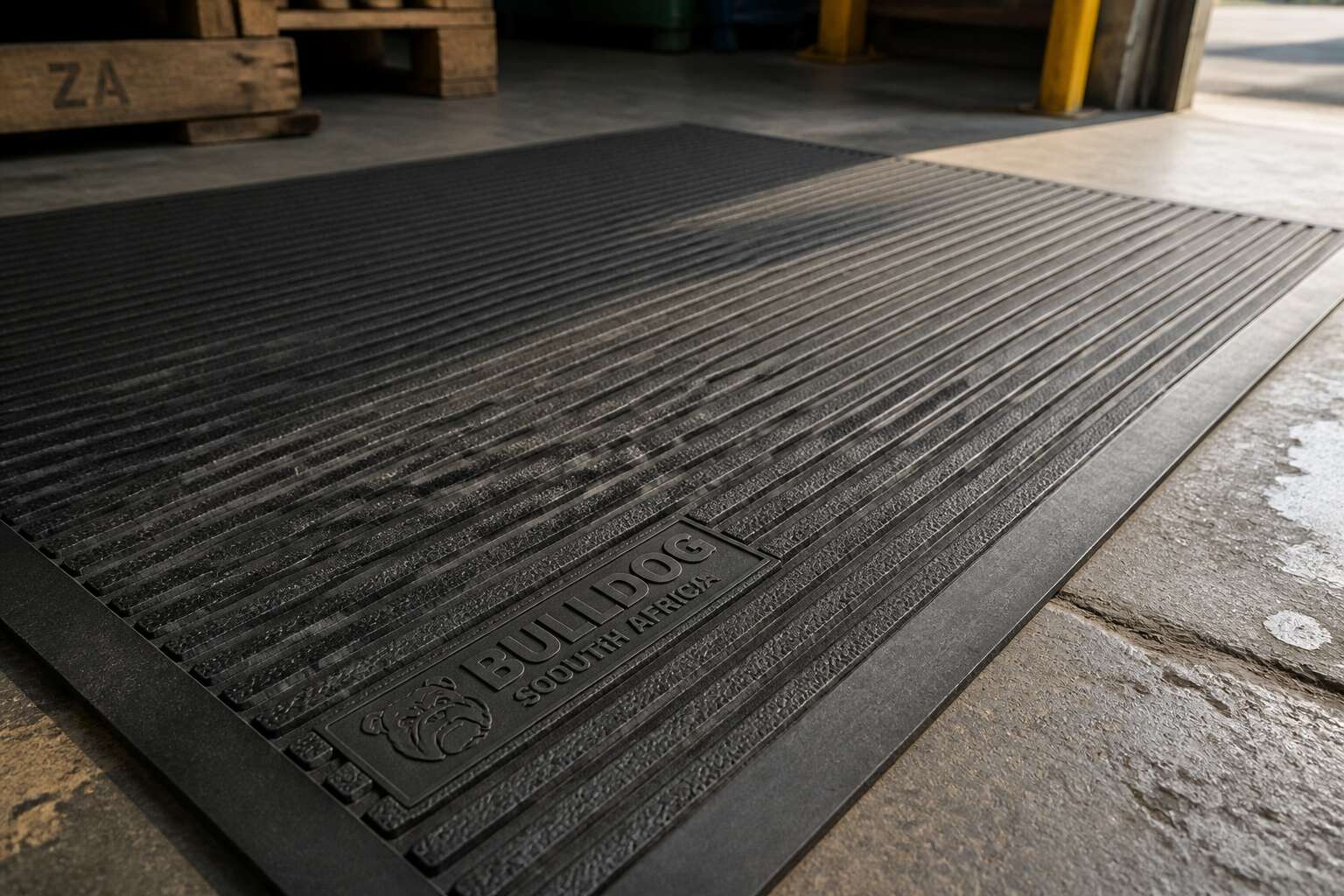
Diverse Rubber Matting Options for Local Environments
Recycled Rubber Matting
South Africa’s climate ranges from arid Karoo to humid KwaZulu-Natal coast. Rubber matting South Africa must withstand these extremes. Recycled rubber matting offers resilience, converting waste tyres into durable surfaces for farmyards, play areas, and industrial floors.
- Stippled surfaces for wet areas
- Heavy-duty rolls for livestock
- Interlocking tiles for gyms
Recycled rubber matting particularly excels in local settings because it handles UV radiation and sudden storms. I’ve seen it outlast virgin rubber in Cape Town’s coastal salt air. The material’s granular composition absorbs impact while shedding water quickly.
EVA and Foam Matting
Standing on concrete for eight hours leaves ankles aching. EVA and foam matting offer a different kind of comfort for South African homes and workspaces. These closed cell materials absorb pressure without soaking up spills. They resist mildew in humid Durban air and remain flexible on cold Karoo mornings. I have seen foam tiles turn a bare garage into a place where children play for hours.
For anyone exploring rubber matting south africa, EVA and foam fill specific niches. Foam rolls cushion dog kennels and camping trailers. EVA interlocking tiles suit home gyms and workshops.
- Anti fatigue mats for long standing shifts
- Foam puzzle tiles for nurseries
- EVA sheets for storage areas
Each product handles different loads. Foam compresses under heavy machinery. EVA maintains its shape with lighter use. For rubber matting south africa, the load dictates the product.
PVC and Vinyl Matting
In the Eastern Cape, winter brings morning damp that lingers on concrete slabs. I have watched PVC matting outlast rubber in these conditions. These materials do not absorb water. They wipe clean with a mop and resist the alkaline dust that blows across the Highveld.
For rubber matting south africa, PVC offers a smooth surface that suits kitchens, clinics, and retail counters. Vinyl adds a slight grip underfoot without the deep cushioning of foam. Workers standing at cash registers appreciate the firm support.
Common local uses include:
- Bar counter runners for taverns in Soweto
- Vinyl walk-off mats at office entrances in Sandton
- PVC sheets for workshop benches in Cape Town factories
Coastal humidity breaks down some rubbers, but PVC holds its structure. Interior designers sometimes choose vinyl for printed finishes, though the price reflects the quality.
Nitrile Rubber Flooring
Hydraulic fluid can ruin standard rubber matting within weeks. Nitrile rubber flooring stands apart from the materials discussed earlier. It resists oils, fuels, and solvents that degrade standard rubber compounds. Workshops in Durban’s industrial belt use nitrile sheeting under machinery, where hydraulic fluid drips daily. This nitrile-based solution holds its shape where others soften.
The polymer prioritises chemical resistance over cushioning. You will not find it in spa lounges. You will find it in factories, metalworking shops, and garages along the N2 corridor. It offers a long service life.
- Engine assembly lines in Gqeberha
- Paint booths in Johannesburg
- Loading bays that see diesel spills
- Laboratory floors where acids are handled
The surface texture provides traction without trapping debris. Coastal salt air does little to weaken nitrile. I have found it reliable in harbour facilities. When you need rubber matting south africa for aggressive conditions, nitrile remains the practical option.
Performance Benefits That Matter for Commercial and Industrial Spaces
Durability and Wear Resistance
A single shift at a foundry can pulverize ordinary flooring. That is why rubber matting south africa must endure extreme abrasion and repeated impact. Heavy trolleys, dropped tools, and moving loads test every square meter. In my experience, the best mats show zero surface crumbling after months of use.
The secret lies in the compound and its compression set. A durable mat resists permanent indentation, returning to shape after each load. Tensile strength keeps edges intact, preventing tearing or curling. Here is what actually matters:
- Abrasion resistance measured by the Taber test
- Oil and chemical tolerance that preserves elasticity
- Load bearing capacity without delamination
These properties separate cheap flooring from long term solutions. A worn mat becomes a hazard, collecting debris and hiding trip points. Properly compounded rubber keeps its grip and structure for years, even under relentless conditions. What a difference that makes!
Slip Resistance and Safety
Workers rarely think about traction until they lose it. By then, the damage is done. On shop floors and in processing plants, water, oil, and fine dust form an invisible film over concrete. Rubber matting south africa addresses this hazard at the point where feet meet the floor.
A mat’s slip resistance comes from its coefficient of friction. This value changes with contamination. A mat that grips well when dry may fail under hydraulic oil or soapy water. Quality rubber matting south africa is tested for wet and dry traction, with drainage channels that remove fluid from the contact zone.
The rest is human. A stable surface lets a worker commit to a step, shift a load, or turn quickly without hesitation. In an emergency, that split second of secure footing matters. Retail spaces see the same principle with the public, where a fall creates legal and reputational damage.
Comfort and Anti-Fatigue Properties
Standing for hours strains the body. Concrete does not compress. Pressure builds in the knees and lower back, and blood collects in the legs. Comfort fades long before the shift ends.
Rubber matting south africa changes that dynamic. A quality mat yields under each step, prompting small shifts in posture. These micro movements maintain blood flow and distribute pressure evenly. The value is immediate for anyone who stands at a bench or operates machinery.
I have watched workers in factories and retail spaces. The difference appears in their posture at day’s end! With matting, they stand taller. Without it, they slump.
The measurable benefits include:
- Less stress on knees and lumbar spine
- Improved venous return from the feet
- Reduced fatigue across an eight hour shift
These factors matter in any commercial or industrial setting.
Noise and Impact Reduction
Factories and warehouses generate a constant percussive soundtrack. Trolley wheels clatter over concrete. Spanners strike steel. Boots pound the floor on every circuit of a production line. Sound bounces off bare walls and compounds the strain of a long shift.
Rubber matting south africa changes those acoustics. A rubber surface absorbs kinetic energy from impacts rather than reflecting it. Dropped items land softer. Wheeled equipment moves quieter. I have walked onto matted workshop floors and heard the difference immediately!
That damping extends to the structure beneath. Continuous impacts from heavy loads gradually erode concrete and hard flooring. A matting layer absorbs the punishment, preserving the substrate and reducing future repair costs.
Chemical and Weather Resistance
One spilled solvent can etch a concrete floor within hours. In heavy industrial settings, such damage becomes routine without the right protection. Rubber matting south africa stands up to harsh chemical exposure. The material resists oils, diluted acids, and cleaning agents that would otherwise attack the substrate. This resistance keeps floors intact and maintains safe working conditions.
Weather brings its own trials. Intense South African sun breaks down weaker materials over time. Rain and humidity cause swelling in porous solutions. Rubber matting handles temperature swings with ease. It stays flexible in cold mornings and does not soften in extreme heat. Coastal factories also benefit because rubber resists salt corrosion.
Common Applications Across South African Sectors
Warehousing and Logistics
In the bustling warehouses of Gauteng and the ports of Durban, the right floor covering separates a safe shift from a costly accident. I have seen countless distribution centres where rubber matting south africa delivers dependable traction on concrete that endures constant forklift traffic. Storage zones demand surfaces that handle rolling loads and dropped cartons without cracking!
The practical value shows up in three key locations:
- Picking aisles that reduce leg strain during long shifts
- Loading docks that resist oil spills and tyre marks
- Sorting lines where stable footing prevents missteps at high speed
This matting absorbs the shock of pallet jacks, simplifies daily cleanup with a quick hose down, and remains flat even under heavy machine wheels. Logistics managers appreciate that reliable performance.
Agricultural and Livestock Farming
Walk into any well-run dairy in the Western Cape and the first thing you notice is the floor. Cows stand for hours on concrete, and that hard surface leads to swollen joints and lower milk yield. rubber matting south africa has become the standard fix in milking parlours and holding pens across the country.
The material gives cattle a firm but forgiving surface that reduces hoof damage and keeps animals calmer during handling. In piggeries and poultry sheds, the same sheeting insulates against cold concrete and makes cleaning far simpler than bare floors.
- Milking parlours and walkways
- Calving pens and veterinary stations
- Feeding troughs and drinking areas
Farmers in the Free State and Mpumalanga report that a properly installed floor lasts for years, even with tractors driving over it. That is the real value of rubber matting south africa on a working farm.
Gyms and Fitness Centres
In Johannesburg, a single gym floor endures more than 10,000 impacts each week, most from dropped plates and heavy barbells. rubber matting south africa has become the standard answer for operators who want to protect both their concrete subfloors and their members’ joints.
Common applications across fitness centres include:
- Free weight zones and Olympic lifting platforms
- Cardio decks and treadmill rows
- Functional training and circuit areas
This material absorbs shock quietly, which matters in mixed use buildings where noise complaints can shut down a business.
Schools and Playgrounds
A South African primary school playground can see hundreds of falls each break. Most land on surfaces that offer little give. Rubber matting south africa creates a forgiving landing zone beneath climbing frames, swing sets, and slide exits. It softens impact on knees and elbows while resisting moisture, so morning dew does not make it slippery. Schools across the country choose rubber matting south africa for these high traffic spaces.
- Perimeter zones around jungle gyms and overhead ladders
- Areas under swing arcs where repeated landings occur
- Covered walkways and assembly spaces
Teachers often extend this matting to outdoor classrooms. The stable, cushioned base remains comfortable under the Highveld sun. It also endures heavy furniture and dropped containers, reducing repair time.
Workshops and Manufacturing Plants
The workshop floor takes a beating before anyone else does. Concrete in South African manufacturing plants absorbs heat, reverberates with machine noise, and offers no mercy to the feet that stand on it for whole shifts. Rubber matting south africa changes this arrangement. It introduces a layer that gives slightly under weight, reducing the toll on the body while staying firm enough for workbenches and equipment.
The matting earns its place in specific zones. Workers who remain at a single station for hours feel the difference most. The material handles the heavy stuff too. Dropped spanners, spilled coolant, and metal shavings land on it without causing damage.
Common installation points in manufacturing plants:
- Assembly lines where operators stand for long stretches
- Floor areas adjacent to drill presses and grinding stations
- Workshop entrances that collect dirt and moisture
Rubber matting south africa does not eliminate the hardness of industry. It makes the standing bearable.
Homes and Patios
In South African homes, rubber matting south africa shows up on patios and verandas where families gather. A roll of rubber under the table softens the click of crockery and prevents the cold from rising through the concrete on chilly mornings. People also place it at doorways that lead to the yard, catching dust before it trails through the house.
- The braai area near the outdoor sink
- The step from the back door to the lawn
- The covered stoep where kids play
The rubber softens the impact for bare feet and withstands the scrape of chair legs.
Selecting the Right Matting for Your Needs
Thickness and Density Considerations
Choosing the right thickness and density for rubber matting south africa requires understanding the load it will bear. A 6mm mat suits light foot traffic, while industrial spaces often need 12mm or more. Density matters just as much. Higher density means more mass per square metre, which translates to better compression resistance and stability.
Consider the surface beneath the matting. Soft substrates like compacted soil absorb shock differently than concrete. Thicker mats on hard floors provide cushioning, but they also create a trip hazard if not properly bevelled or secured.
- Heavy static loads demand higher density to prevent permanent indentation
- Frequent pedestrian flow requires adequate thickness to avoid bottoming out
- Outdoor installations need density that resists UV degradation
The right balance depends on your specific conditions. Getting it wrong means premature wear. Getting it right saves money over the lifespan of the product. That balance is worth finding!
Surface Texture and Profile
Surface texture determines how rubber matting south africa behaves under real conditions. A smooth profile simplifies cleaning but leaves no margin for moisture. Ribbed and studded textures create channels that move liquids away from standing areas. This matters in packing lines and entrance zones. The profile also changes how wheels move across it. Aggressive studs catch trolley castors, while fine ribs allow smoother travel.
Texture communicates with the sole of your shoe. A pattern that works for safety boots may irritate bare feet. This mismatch causes fatigue, which undermines productivity.
Choose from these profiles:
- Smooth for sterile environments
- Ribbed for drainage under wet conditions
- Studded for outdoor grit and mud
- Diamond for balanced grip and cleanability
The right surface texture extends the mat’s useful life by reducing wear from daily traffic.
Colour, Aesthetics, and Customisation
Colour is not decorative. It is functional. In packing plants, dark rubber matting south africa hides oil stains. In retail, light tones signal cleanliness. The wrong shade turns a safe floor into a liability.
Customisation solves visual problems. You can match brand colours, add logos, or cut mats to odd shapes. This matters for factories with visitor tours and for shops with design standards.
Consider these customisation options:
- Colour matching to corporate identity
- Logo inlay or printed branding
- Anti-slip border colour contrast
Aesthetic choices affect maintenance. Black shows scuffs. Grey shows dirt. Light colours need frequent washing. Your climate and footwear matter. Rubber matting south africa faces intense UV exposure, so ask for weather resistant colourants.
The right look supports safety and appearance!
Environmental and Cost Factors
Selecting rubber matting south africa means measuring what you cannot see upfront. Installation costs are visible. Environmental toll is not. Every production batch carries a footprint, and every failed mat adds to landfill. Buyers should weigh these factors together.
Common decision points include:
– Whether the supplier sources recycled material
– The expected lifespan under local UV conditions
– Warranty terms and disposal options
Cost per square metre matters. Lifespan matters more. A cheaper mat that deteriorates quickly in Gauteng’s high altitude sun becomes an expensive mistake. Coastal humidity and acidic soils attack binders differently than inland dryness. The right choice depends on your specific site conditions and long term ownership costs.
Installation, Maintenance, and Sourcing Advice
Preparing the Subfloor
A subfloor that looks clean can still ruin a rubber floor. That is why preparation determines the lifespan of any rubber matting south africa installation. Sweep away debris, fill cracks, and test for moisture with a plastic sheet. I have watched installations fail purely because of a damp concrete slab.
Run through this checklist before you lay a single tile:
- Level any low spots with self-leveling compound
- Degrease the entire surface
- Let fresh concrete cure for 28 days
Maintenance stays simple: sweep regularly, mop with mild detergent. When sourcing, buy from local suppliers who offer samples. South African heat and humidity demand adhesive that matches your specific substrate.
Adhesive and Loose-Laid Methods
Choosing between adhesive and loose laid installation changes how your rubber matting south africa performs over time. Adhesive bonding suits permanent floors where movement is minimal. The glue locks edges down, preventing curling in high traffic zones. Loose laid methods work better for temporary setups or spaces with frequent access to the subfloor.
Loose mats rely on their own weight to stay flat. Heavy duty rubber tiles resist shifting without glue, but seams can lift under castor wheels. Adhesive demands a perfectly dry substrate. Trapped moisture breaks the bond within months!
Maintenance differs between the two. Adhesive installations handle wet mopping without movement. Loose sections lift out for thorough cleaning underneath.
Sourcing advice usually returns to test samples. For rubber matting south africa, local suppliers provide swatches so buyers can judge both methods on their actual warehouse floor.
Cleaning and Long-Term Care
A single litre of industrial solvent can erase years of structural integrity from rubber matting south africa. The polymer bonds that keep the mat supple begin dissolving within minutes of contact. Cleaning schedules must account for this vulnerability.
Weekly washing with pH neutral soap preserves the surface. Acidic cleaners, citrus based degreasers, and undiluted bleach leave micro fractures that collect grime. Over time, these fractures widen into permanent cracking. For warehouses, a simple rotation of cleaning zones prevents any single area from seeing concentrated wear.
Suppliers of rubber matting south africa publish chemical resistance data for each compound. Asking about UV stabilisation matters when sunlight hits the floor. Confirming whether replacement tiles remain in production prevents shade mismatch once the original batch fades. South African conditions, with their aggressive UV index and fine dust loads, will expose any weakness within two seasons.
Finding Reliable Local Suppliers and Brands
Installation demands a patient hand. A subfloor with any moisture will betray the adhesive within months. I have watched perfect matting peel away from concrete that felt dry to the touch! Test first. Trust nothing.
Maintenance here means vigilance, not effort. The fine dust of the Highveld settles into every groove. A stiff broom daily, a damp mop weekly. That is enough for most compounds. For rubber matting south africa, ultraviolet exposure is the primary concern. Check the edges for fading.
Sourcing locally matters. Imported rolls arrive with promises, then fail under local conditions. Seek suppliers who compound for this climate.
When vetting a brand:
– Ask for samples aged under direct sun.
– Confirm the batch formulation matches previous orders.
– Request installation references from the last two years.
That last point has saved me more than once.


0 Comments