Rubber matting usage: a practical guide
Industrial and commercial applications of rubber matting
Footing, not flair, keeps a plant thriving. In South Africa’s factories and kitchens, rubber matting used daily because it anchors steps in crowded spaces. A supervisor’s candid line still echoes: “Stay on your feet, stay in business!”
In industrial and commercial settings, the right matting absorbs spills, resists oils, and endures rough contact. It sharpens safety and mood as workers move through spaces with confidence.
- Production floors and assembly lines
- Loading docks and warehousing
- Commercial kitchens and food prep
- Entrances and reception areas
Durability, drainage, and anti-fatigue comfort define rubber matting used across varied SA environments. It remains resilient under heavy footfall, cleans easily, and resists chemicals—a quiet guardian that supports operations from workshop to showroom.
Materials and types of rubber matting
“Firm footing, safer business,” an old supervisor would say, and that line still echoes through SA factories. In crowded spaces where momentum buzzes, the right rubber matting used creates a quiet shield underfoot, turning busy floors into routes of confident, steady movement.
The rubber matting used spans natural rubber and synthetic blends, each chosen for grip, resilience, and resistance to oils, chemicals, or heat. Vulcanized variants endure heavy wear; recycled options marry performance with sustainability; EPDM shines in sunlit areas and temperature swings.
Key forms often seen on SA sites include:
- Anti-fatigue rubber mats
- Drainage and water-escape mats
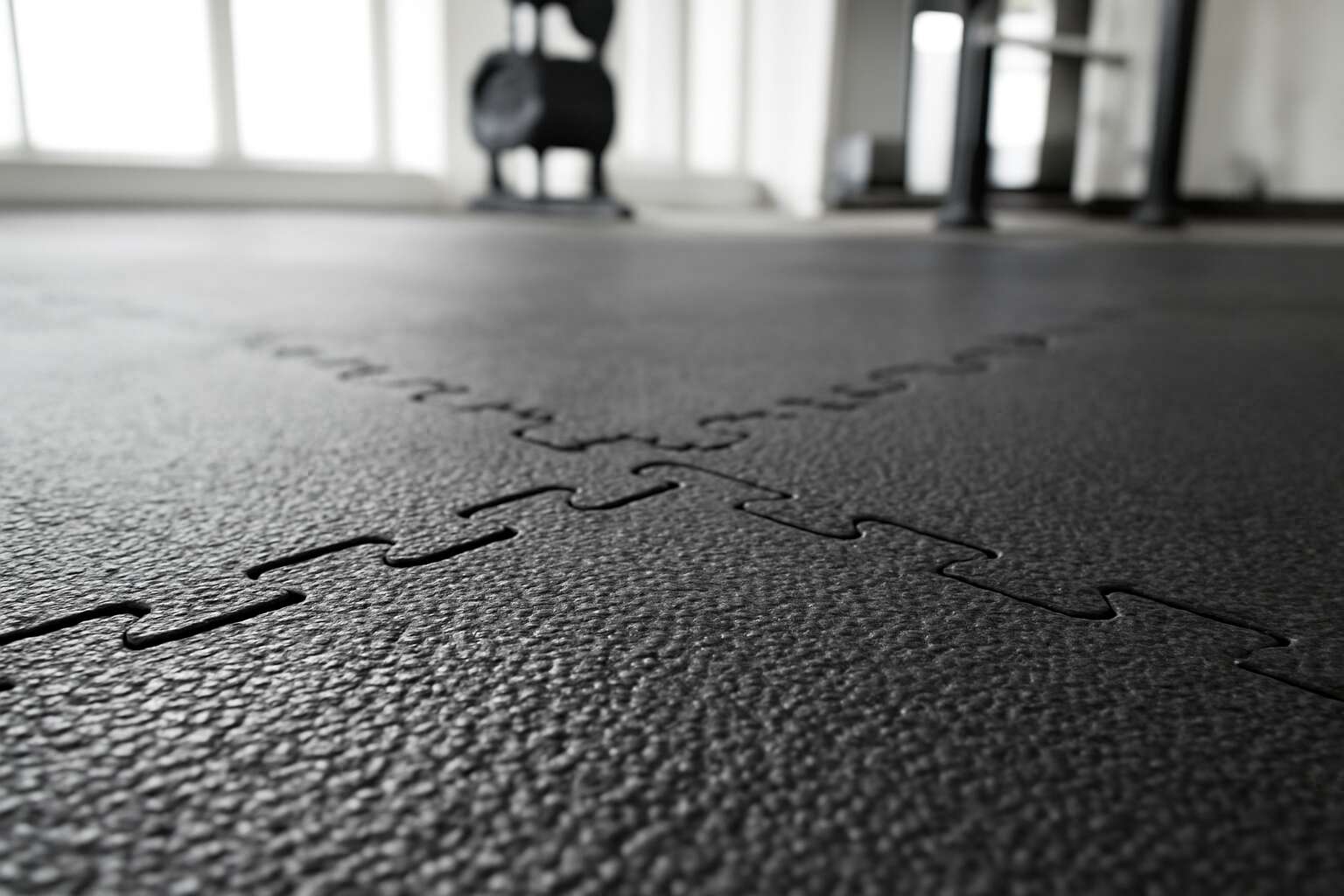
- Interlocking rubber mats
- Beveled-edge entrance mats
These quiet guardians support production flow with their durable, easy-clean surfaces—allowing workshops to breathe and showrooms to welcome with a dry, confident footprint.
Installation and maintenance guidelines for rubber matting
Safe floors are the quiet backbone of busy South African factories. “Safe floors empower people to move with confidence,” says a plant manager. It’s the underfoot shield that keeps lines moving.
Installation is precise. Prepare a clean, dry subfloor; select a thickness that suits load and slip resistance; lay flat or interlock, and press edges flush to avoid tripping. If rubber matting used, ensure seams are aligned and secured so dirt can’t collect underneath.
- Clean regularly with mild soap and water; avoid harsh solvents that may degrade the surface.
- Dry thoroughly to prevent mould and slip hazards.
- Check edges and interlocks for wear; replace damaged sections promptly.
- Leave heavy traffic mats in place; lift for deep clean periodically.
Regular checks keep the mats performing; stay proactive with a simple schedule and they’ll repay you with grip, longevity, and a dry showroom floor.
Buying guides and cost considerations for rubber matting
On bustling South African floors, I see a matting system become more than protection—it is a quiet poise beneath every stride. A safety study finds slip-related injuries can drop by up to 60% when high-quality mats are in place, turning grit into grace as the day advances!
Buying rubber matting isn’t one-size-fits-all. Thickness, traffic type, and environment determine performance and price. Consider these touchpoints:
- Total cost of ownership: upfront price, installation, and ongoing maintenance
- Slip resistance, durability, and cleaning needs
- Warranty, supplier support, and local availability in South Africa
Thus, rubber matting used in entryways and workshops deserves thoughtful budgeting.
Prices vary with grade and supplier; I’ve learned to seek a balance between premium compounds and sensible ROI, and choose brands with a solid service footprint in SA. A mat is not mere floor furniture—it is a partner in safety and productivity.


0 Comments