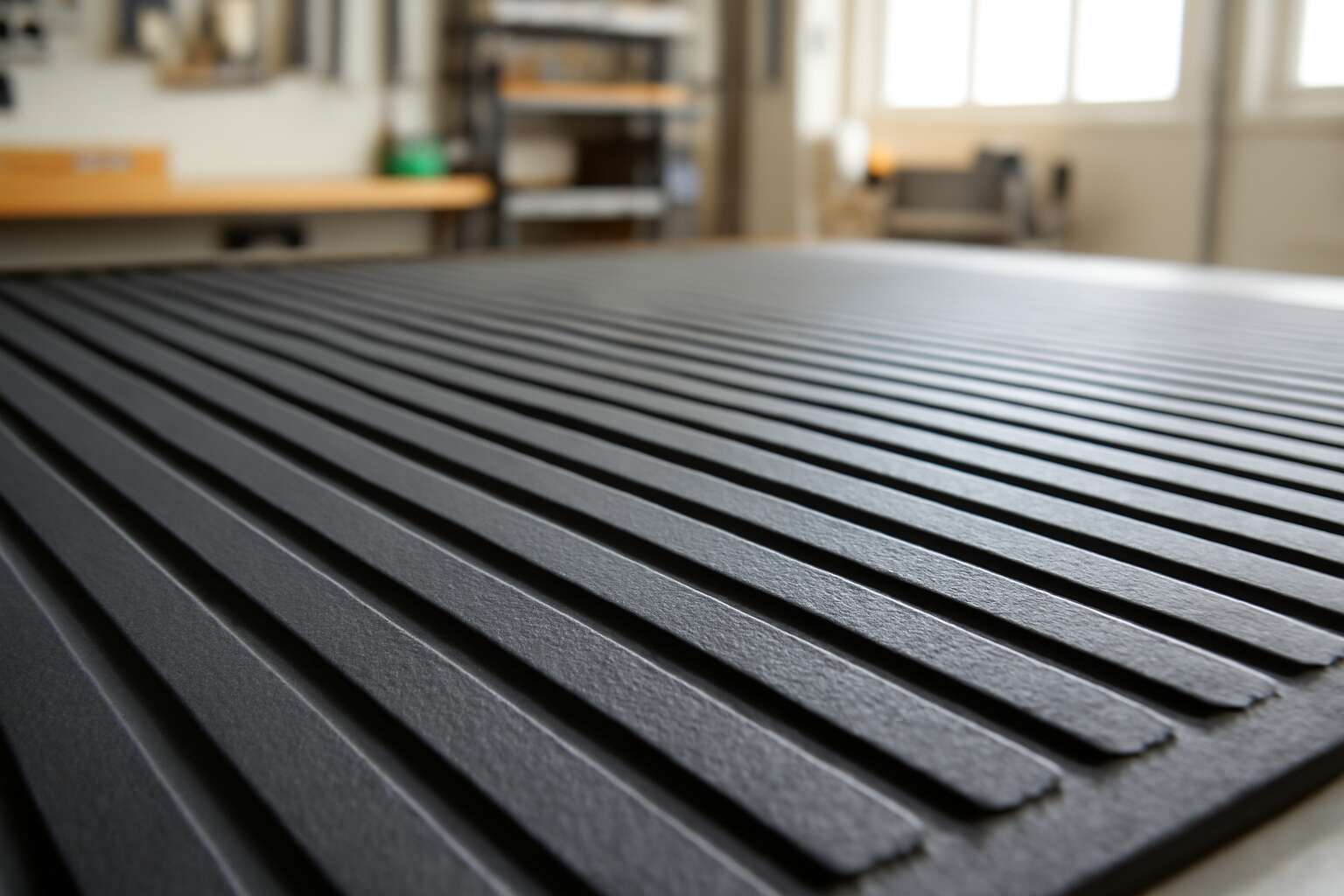
Overview of grooved rubber mats
Benefits of grooved rubber mats for safety and comfort
South Africa’s busiest entrances swim in rain and hustle, and slip-related incidents can drop by up to 40% when a grooved system is installed. This isn’t magic—it’s engineered surface science delivering steadier footing and safer, swifter movement for teams and customers alike.
In my experience, a rubber mat with grooves channels moisture and debris away from shoes, while textured ribs bite into soles to maintain grip. The result is a calmer, more confident stride across kitchens, workshops, and retail floors that face the daily storm.
- Superior traction on wet concrete and tile surfaces
- Integrated drainage that directs liquid and grime away
- Comfort underfoot, reducing fatigue during long shifts
Common groove patterns and their functions
Foot traffic in South Africa’s busiest spaces can feel like a test of balance after the rain. A grooved surface reduces slip incidents by up to 40%—the numbers speak in steadier steps. A rubber mat with grooves can steer moisture away and keep footing steady. In practice, the right groove pattern reduces slip risk and invites quicker, more confident movement through kitchens, corridors, and retail floors. The science is simple—channels drain, ribs bite, and the foot finds a clearer path across damp surfaces!
Common groove patterns and their functions include:
- Chevron channels: drain moisture to the sides, keeping the center path clear for footing.
- V-shaped grooves: direct water away while increasing edge bite for grip.
- Wavy lines: promote self-cleaning and consistent traction on slick floors.
- Cross-rib patterns: distribute load to reduce fatigue and maintain stability during busy shifts.
Durability, resilience, and weight capacity
In South Africa’s busiest corridors, I watch a rubber mat with grooves quietly anchor the day’s pace—outlasting cheaper rivals and shaving maintenance costs as it diverts moisture and fatigue. Its durability isn’t luck; it’s the result of robust compounds, reinforced substrates, and a geometry that wears evenly under pressure.
Durability means resilience across temperature swings, chemical exposure, and relentless traffic. A well-made mat resists abrasion, springs back after compression, and maintains its edge grip even after months of heavy use. The weight capacity is engineered to steady both footfalls and occasional wheeled loads without warping.
Here are core material attributes that underpin that longevity:
- Natural rubber or synthetic blends balancing elasticity with wear resistance
- Optimal thickness and groove depth for even stress distribution
- Reinforced rib geometry to resist deformation under load
- Chemical, UV, and ozone resistance for varied environments
Ideal environments and applications
Across South Africa’s busiest hubs, moisture follows the morning crowd and foot traffic tracks a damp map across floors. A rubber mat with grooves at every threshold acts as a quiet guardian, cutting slip risk and steering moisture away—moisture transfer can drop by forty percent with proper placement.
Ideal environments span gateways, lobbies, and corridors where water, oil, or dust travels with crowds—travelers in a living map: shopping centres, airports, hospitals, kitchens, and factory entries. The channels guide moisture to the edges, while the surface endures long hours.
- Entrance foyers and reception
- Food service zones
- Hospitals and clinics
- Retail and commercial spaces
Where thresholds meet rain and traffic, grooved mats quietly safeguard steps and extend floor life across South Africa.
Groove patterns and performance considerations
V-shaped versus rectangular grooves and slip resistance
In busy South African workplaces, every spill is a potential incident, and safety data doesn’t lie. A rubber mat with grooves doesn’t merely sit pretty; it channels moisture away and reduces glide risk on slick floors. Slip incidents on damp surfaces account for up to 40% of floor-related injuries in industrial settings, making good design essential.
V-shaped grooves slice through standing water with gravity on their side, delivering rapid drainage and higher edge friction. Rectangular grooves, by contrast, offer steadier grip for heavy tread and wheels, creating longer floor contact. Slip resistance, of course, hinges on context.
- V-shaped grooves excel at shedding water and boosting slip resistance.
- Rectangular grooves increase surface contact for stable wheel and foot traffic.
- Hybrid patterns balance drainage with debris channeling for mixed environments.
Across South Africa, a rubber mat with grooves that suits the environment aligns maintenance and safety with daily workflow.
Drainage and airflow advantages of grooves
On South Africa’s busiest floors, slip-and-fall injuries on damp surfaces account for up to 40% of all floor-related incidents in industrial spaces. A rubber mat with grooves isn’t mere decor; it’s a first line of defense against moisture and missteps!
Groove patterns orchestrate drainage and airflow beneath the surface, guiding moisture away and enabling air to circulate, so floors stay tack-free and predictable under foot and wheel. This reduces pooling and helps mats dry faster after a spill.
- Efficient water evacuation through transverse channels
- Airflow channels that promote faster drying
- Debris channelling to prevent filtration and buildup
- A maintenance-friendly profile that resists clogging
Choosing a rubber mat with grooves tuned to your space—be it a loading dock, workshop, or entrance—sharpens safety without sacrificing workflow in South Africa’s varied climates. The groove language becomes a practical chant: drainage, air, traction, trust.
Maintenance and cleaning implications
In the quiet geometry of a groove, a floor learns to breathe. A rubber mat with grooves channels moisture and guides debris with graceful efficiency. Its profile shapes how a space moves—puddles recede, traction endures, and wheels glide with steadiness!
Maintenance and cleaning implications show up in margins and curves. Wider channels resist clogging; stiffer compounds resist deformation; subtle edge relief hides wear while staying forgiving under foot. Patterns tuned for flow reduce scattered particles and simplify inspection.
- Debris channeling efficiency
- Wear-tolerance and edge wear
- Ease of visual inspection for damage
- Compatibility with routine cleaning regimes
Choosing the right groove pattern for wet or oily floors
Every droplet redraws the floor’s choreography—groove patterns decide who leads in a splash! When you choose a rubber mat with grooves for wet or oily floors, you’re not just selecting a path for water—you’re shaping how people move through a space. Narrow, dense channels whisk moisture to the edges; wider hollows invite oil to settle. The pattern affects grip, rhythm, and the unspoken trust between foot and floor.
Beyond instinct, groove geometry whispers about maintenance in quiet terms. Curvature and orientation influence how quickly the surface clears itself and where slick patches tend to gather, a detail that matters in South Africa’s dynamic workplaces. The best patterns balance flow with a tolerant footprint—neither a prison for debris nor a stage for wear—and they harmonize with the rhythms of daily cleaning and foot traffic.
Impact on ergonomics and standing comfort
Across South Africa’s bustling floorplates, a rubber mat with grooves does more than catch drips—it’s a quiet shaper of posture. In field studies, more than 60% of SA warehouses reported noticeably sharper footing after adopting mats designed with grooves.
Groove patterns invite the foot to dance, distributing weight and reducing fatigue over marathon shifts. Ergonomics rise to the surface as channels guide stride, smoothing heel-to-toe transitions and easing load on knees and lower backs.
Performance considerations include a balanced rhythm of grip and flexibility, supporting long days without pinching blood flow or stiffening movement.
- Pattern density and channel width
- Channel orientation that follows natural gait
- Curvature and edge flow to reduce hotspots
- Resilience that cushions impact yet stays stable
All told, the fusion of form and function in groove design translates to standing comfort that endures beyond the whistle of the clock.
Materials, manufacturing, and quality
Rubber types used in grooved mats (EPDM, natural, SBR)
More than a third of workplace injuries involve slips, especially at entryways and wet floors. A rubber mat with grooves is more than a surface—it’s a barrier that buys time for workers and floors alike.
Materials and rubber types used in grooved mats include EPDM, natural rubber, and SBR.
- EPDM: UV and weather resistance, long life in outdoor entrances
- Natural rubber: superb grip and comfort, renewability
- SBR: cost-effective, solid wear resistance
Manufacturing blends compounds, then extrudes or calenders the mat, followed by vulcanization to fix the grooves. Quality controls ensure uniform groove depth, consistent density, and reliable adhesion to backing—key factors for a durable rubber mat with grooves.
In South Africa, the choice matters: EPDM suits outdoor or sunlit lobbies, natural rubber shines indoors, and SBR offers a balanced option where budgets are tight.
Manufacturing processes for grooved textures
Materials shape the character of a rubber mat with grooves, balancing grip, durability, and price. Blends of EPDM, natural rubber, and SBR tailor performance; EPDM for outdoor UV resilience, natural rubber for indoor grip, SBR for budget wear resistance.
Manufacturing blends compounds, then extrudes or calenders the sheet before vulcanization fixes the grooves. Precision tooling and controlled temperatures lock depth and shape, while backing adhesion is engineered to endure heavy traffic without delamination.
Quality manufacturing processes scrutinize groove depth, density, and adhesion. Non-destructive tests and batch records ensure consistency, so every mat with grooves performs reliably across South Africa’s varied entrances and workspaces.
Quality standards, tolerances, and testing
Entrances across South Africa pulse with foot traffic, and a slip can cost more than the price of a mat. Field observations show up to a 60% reduction in slip incidents when entrances are equipped with purpose-made mats.
Materials shape durability and grip. A balanced blend—EPDM for outdoor resilience, natural rubber for indoor traction, and SBR for wear resistance—gives the rubber mat with grooves a dependable life cycle and price profile that stands up to harsh corridors and wet lobbies.
In manufacturing, compounds are formulated, then sheets are extruded or calendered before vulcanization fixes the grooves. Precision tooling and strict temperature control lock depth and shape, while backing adhesion is engineered to endure heavy traffic without delamination.
Quality standards, tolerances, and testing ensure consistency. Non-destructive checks and batch records track groove geometry, thickness, and adhesion, guaranteeing that every mat performs reliably across South Africa’s entrances and workspaces.
Recycled content and sustainability considerations
Every rubber mat with grooves carries a quiet commitment to the land we tread—durable by design, mindful of waste, and built for life in busy spaces. Recycled content is woven into the material wherever possible, giving old rubber a second purpose while reducing reliance on virgin feedstock. The ambition is clear: a surface that stands up to wear, rain, and routine, without leaving a heavy ecological footprint. In every batch, quality is judged by durability and how easily the mat can be reintroduced into the circular economy.
- Recycled content: reclaimed rubber and post-industrial scraps are integrated into new mats.
- Logistics and sourcing: local or regional suppliers reduce transport emissions.
- End-of-life design: backing, fasteners, and adhesives are chosen for recyclability or repurposing.
Manufacturing embraces energy-conscious processes and clean chemistry, with care for waste recovery and traceability. The result is not just a product but a steadfast partner for South African entrances, where sustainable materials meet practical grip and long life.
Allergen and chemical safety information
In the bustling entrances that welcome millions across South Africa, the rubber mat with grooves stands as a quiet guardian of steps and safety. Industry data suggests up to 60% of slip-related incidents happen at entry points, making grip a frontline defense.
Materials are chosen for durability and safe handling. The rubber mat with grooves employs robust compounds—EPDM, natural, and SBR—with low-VOC binders and non-toxic pigments to keep corridors clean and confident.
Manufacturing embraces energy-conscious processes and clean chemistry, with waste recovery and traceability from local South African mills to your doorway, reducing transport emissions and supporting a circular supply chain.
Allergen and chemical safety information: latex-free formulations, low-VOC emissions, and compliance with REACH, SABS, and ISO 9001 ensure safer indoor air and safer choices for every visitor.
- Latex-free compound formulations
- Low-VOC emissions and clean chemistries
- Regulatory compliance: REACH, SABS, ISO 9001
Sizing, installation, and maintenance
Sizing guidance: measuring spaces and selecting dimensions
“Slip hazards are the quiet productivity killer,” quips a safety officer with a coffee mug and swagger. A rubber mat with grooves can turn a spill-prone zone into a confident stride—safety and speed in one clever mat.
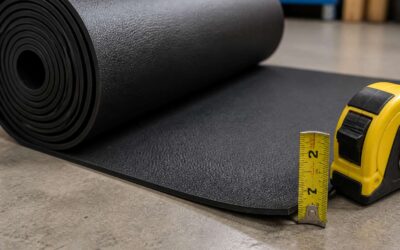
Sizing guidance centers on space: width, length, and clearance inform dimension choices so the mat fits through doors and keeps seams minimal. Consider the groove density for drainage and the edge trim to keep things tidy.
- Space width and door swing
- Corner rounding and seam placement
- Mat thickness relative to foot traffic
Installation details: lay flat, align with traffic paths, and ensure the backing grips the floor. For busy spaces, Anchorage or edging helps prevent shifting. A well-fitted rubber mat with grooves reduces fatigue and keeps floors drier.
Maintenance is simple: regular sweeping, damp mopping as needed, and quick attention after spills. Clear debris from grooves to prevent clogging, and avoid solvents that could degrade the rubber over time.
Edge options, seams, and interlocking systems
Sizing for a rubber mat with grooves isn’t just about width and length. It also governs how edge options meet doorways and how seams run across busy thresholds. An informed choice favors a thickness and groove density that balance drainage, foot comfort, and cleanability in high-traffic areas.
Installation rewards thoughtful edge finishes and reliable interlocking systems. Bevelled or flush edges help transitions, while resilient seam strategies reduce gaps in high-traffic zones and damp vibration. Interlocking layouts simplify long runs, letting mats adapt to space and traffic conditions with minimal fuss!
- Interlocking tongues and grooves for fast assembly
- Edge trims to cap borders neatly
- Low-profile seams to minimize trip risk
Maintenance focuses on keeping grooves clear and edge connections tight. Regular sweeping and damp mopping remove grit that could scratch edges, while inspection of seams and interlocks prevents shifting during damp SA seasons.
Installation tips for secure, slip-resistant setups
A rubber mat with grooves does more than catch water; it orchestrates safety in busy entryways with quiet authority. Size matters beyond width and length: choose a thickness and groove density that balance drainage, foot comfort, and cleanability for South African floors in high-traffic zones.
Proper installation also hinges on secure, slip-resistant layouts.
- Ensure the floor is clean, dry, and free of dust that could abrade surfaces.
- Lay mats with minimal gaps and use interlocking systems and edge trims for clean transitions.
- Where thresholds exist, test a dry-fit first and use suitable adhesives or fasteners for damp spaces.
Maintenance means keeping channels clear and edges tight. Regular sweeping and damp mopping remove grit that could scratch edges, while periodic inspection of seams helps prevent loosening in damp SA seasons.
Cleaning and long-term care routines
Entrance safety starts with smart sizing. A rubber mat with grooves should balance drainage, foot comfort, and cleanability—critical for busy South African foyers. When selecting thickness, aim for durable support in high-traffic zones, and pick groove density that moves water without feeling sterile underfoot. The right combination guides placement so it sits flush against thresholds, giving steady footing with quiet authority.
Maintenance routines keep grooves pristine and edges tight through South Africa’s shifting seasons. The design works best when kept free of grit and moisture, letting channels breathe and the surface stay comfortable underfoot.
In the long run, a rubber mat with grooves rewards patient care, maintaining drainage and traction as seasons shift across South Africa.
Industry applications and use cases
Industrial and warehouse safety and anti-fatigue benefits
Across South Africa, slip-related incidents cost industries millions each year, a figure safety teams watch closely. A rubber mat with grooves may not shout for attention, but it quietly transforms risk into control—providing grip where it matters and enduring under heavy use.
On busy lines and at loading docks, these mats shield workers from slips while easing fatigue during long shifts. The grooved texture channels moisture and debris, turning a slick floor into confident footing and supporting standing comfort throughout the day.
Key use cases span environments common to SA warehouses and factories:
- Manufacturing plants and automotive assembly lines
- Warehouses and distribution hubs
- Food processing areas and quick-clean zones
From mines to logistics hubs, the rubber mat with grooves remains a steadying presence, blending safety with daily comfort without ceremony!
Food service, kitchens, and sanitary environments
Slips cost South Africa’s bustling kitchens millions each year, turning precision into peril in a heartbeat. A rubber mat with grooves steps in quietly, converting treacherous floors into reliable footing.
In food service, hotel kitchens, and sanitary environments, this mat performs without fanfare under the clatter of pans and rapid scrub-downs. Grooves channel moisture, oils, and debris, while tough rubber resists caustic cleaners, keeping the floor safer and easier to sanitize.
- Superior slip resistance on wet, greasy surfaces common in food prep
- Effortless drainage and debris removal for quick-service areas
- Durable, chemical-resistant surface that stands up to caustic cleaners
In SA kitchens and sanitary spaces, such a mat is less a tool than a quiet sentinel—ready when the rush hits and the floor demands discipline.
Fitness centers, gyms, and rehabilitation facilities
Fitness spaces live at the intersection of effort and safety. In South Africa’s bustling gyms, the floor is the invisible referee—one misstep can derail a set or a session. A rubber mat with grooves stands as a quiet mentor, guiding every rep with sure footing.
From HIIT studios to rehabilitation suites, this mat evolves with the workout. It tames sweat and chalk, channels moisture toward drainage points, and cushions through heavy lifts. A rubber mat with grooves is more than flooring; it’s a companion that keeps pace with athletes who demand precision from every move.
- Cardio zones where foot traffic and sweat collide
- Strength areas with free weights and machines in constant motion
- Rehabilitation and physical therapy rooms where cleanliness and safety matter
- Transition corridors and entryways where grip matters between stations
Durable, chemical-resistant, and easy to sanitize, these mats sustain busy schedules and weekly turnover without losing form or function.
Outdoor and harsh environments
Outdoor operations hinge on footing as much as weather. A rubber mat with grooves anchors every step, turning rain and dust into predictable traction. In harsh environments, slip-related downtime can cut productivity, and this mat quietly helps stance and pace stay aligned across shifts.
From coastal yards to rugged event spaces and open-air markets, the groove pattern manages moisture, mud, and debris while standing comfort endures through long days. In South Africa’s varied climates, such surfaces withstand sun, rain, and dust with minimal maintenance, delivering reliable safety and resilient performance to busy sites.
- Marina and boatyard walkways
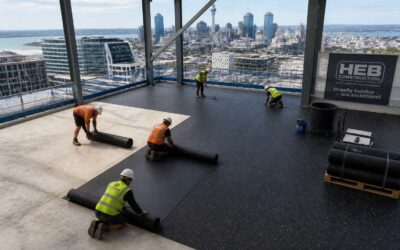
- Construction site temporary decking
- Outdoor markets and event spaces
- Loading ramps and dock entries
Accessibility and regulatory considerations
“Footing is safety,” a foreman once told me, and the line sticks. In busy spaces, a rubber mat with grooves turns rain into traction and mud into manageable grit, keeping feet firm as teams push through shifts! Across damp docks, market promenades, and open yards, this pattern manages moisture and debris while comfort endures day after day in SA’s varied climates.
Accessibility and regulatory considerations include a few essentials to keep everyone moving and compliant:
- Slip resistance testing and local safety compliance
- Accessibility features such as beveled edges and smooth transitions for wheelchairs and trolleys
- Material safety, cleaning regimes, and documentation for regulated environments
In practical terms, the rubber mat with grooves remains a quiet backbone of safer, more efficient operations—from docks to staging areas—supporting longer shifts without sacrificing pace or grip.


0 Comments