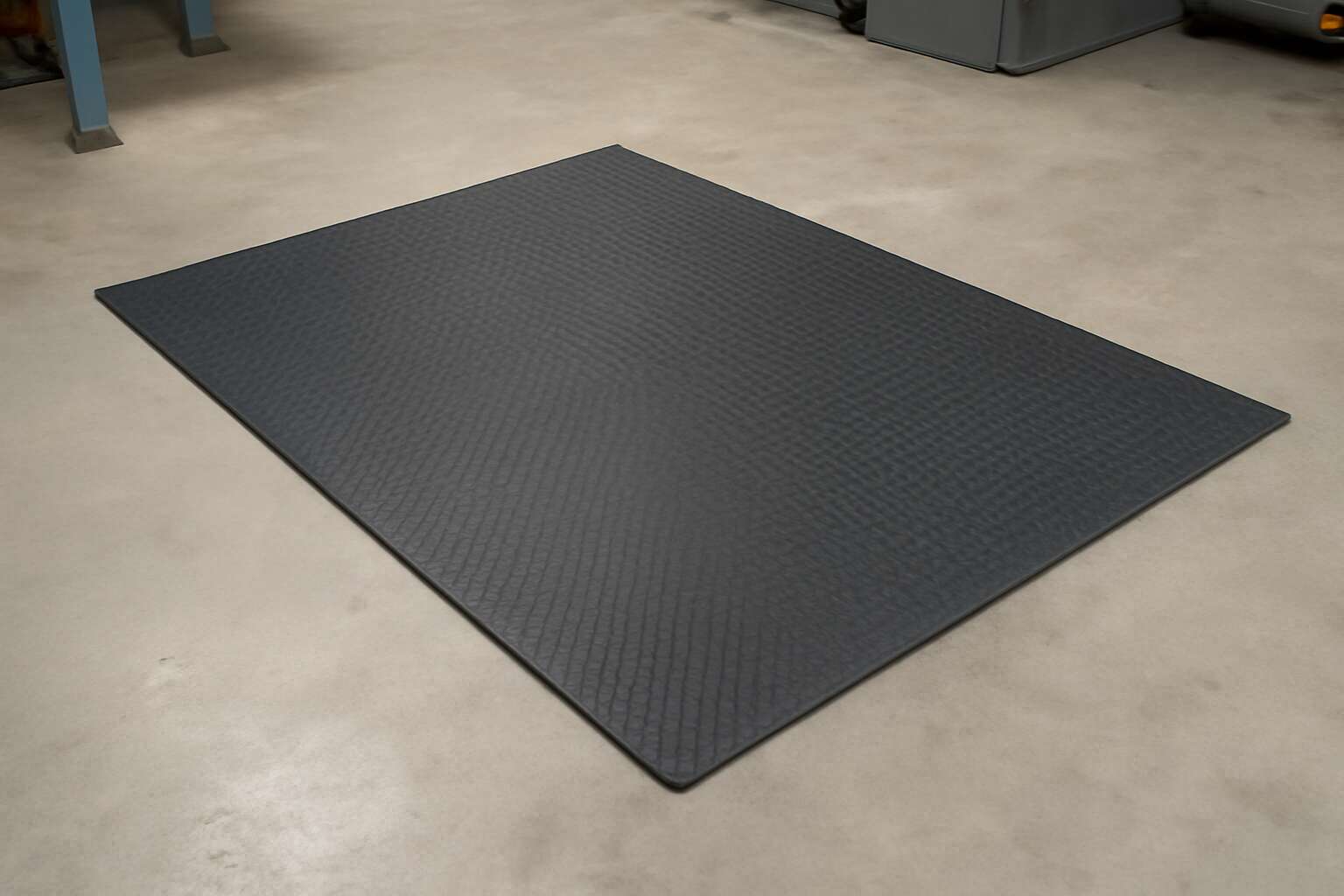
Rubber Mat Essentials for Industrial and Home Use
Material Types and Their Properties
South Africa’s bustling floors bear a quiet toll: slips, downtime, and the cost of caution. A rubber mat 6×4 can dramatically alter the rhythm of a workspace, turning risk into routine and reliability!
Material science sweeps the floor with possibilities: natural rubber offers surefooted grip and comfort; nitrile blends shrug off oils and solvents; EPDM resists weather, heat, and moisture—each a distinct property that answers different environments and duties.
Here are crystallized material archetypes that dominate the market today:
- Natural rubber — exceptional grip and resilience under foot traffic.
- Nitrile blends — robust against oils, solvents and humidity.
- EPDM — weatherproof, UV-stable, and heat-tolerant for outdoor or warm spaces.
- SBR blends — balanced grip with cost efficiency.
Whether in a bustling workshop or a quiet home workspace, the right mat translates into steadier steps, cleaner work, and fewer stoppages—an understated backbone to daily operations.
Common Thicknesses and Size Options
In South Africa’s busy workshops, a slippery floor isn’t just an inconvenience—it’s a productivity drain. Even so, better mats can cut downtime noticeably.
The rubber mat 6×4 sits at the heart of versatile layouts, and thickness matters. Common thicknesses span 3mm, 6mm, 9mm, and 12mm, each balancing comfort and durability.
- 3mm — light-duty domestic spaces and entryways
- 6mm — general workshop use with steady underfoot support
- 9mm — heavy-duty, oily or high-traffic zones
- 12mm — maximum protection in wet or chemical environments
Size options align with room and traffic: 2×3, 3×4, 4×6, and 6×8 are commonly stocked. The 6×4 footprint offers a practical middle ground—large enough for workstations, yet easy to move and reconfigure as needs shift in a South African facility.
Durability, Slip Resistance, and Safety Benefits
Slips are costly in busy South African workshops, robbing minutes and mood from the day. The rubber mat 6×4 is a simple, sturdy fix that supports steady footing while guiding workstreams around corners and benches. Footing matters—every step counts!
Durability comes from dense rubber that shrugs off oil, grit, and heavy foot traffic. A textured surface resists slickness, keeping feet planted and tools moving with confidence.
- Superior slip resistance on wet or oily floors
- Cushioned, anti-fatigue comfort for long shifts
- Simple cleaning and maintenance
In both industrial and home settings, the footprint offers versatility for workstations, entryways, and utility corners without crowding spaces. Its balance of grip and resilience suits South African facilities aiming for steady, safe uptime.
Typical Applications by Industry
South Africa’s workshops churn through steps and slips faster than a budget spreadsheet can handle—one misstep can steal minutes from a shift. The rubber mat 6×4 rises as a quiet ally, offering steady footing and a footprint that fits neatly into busy lanes!
Industries relying on steady, clean thresholds will find it indispensable. For industrial and home use, this mat suits workshops, entryways, and service bays alike.
- Manufacturing floors and assembly lines
- Warehousing, loading bays, and distribution hubs
- Automotive service and tyre shops
- Healthcare prep areas and laboratories
- Restaurants, hotels, and commercial kitchens
In short, its versatile grip makes transitions smoother across all sectors.
Choosing for a Precise Fit in a Standard Large Space
Measuring for a Precise Fit
Every footprint counts in a cavernous workspace, where precision turns potential chaos into quiet efficiency. “The first fit is the quiet victory,” a seasoned installer once whispered, and that truth lingers when planning a rubber mat 6×4 for a standard large space. Measured confidence replaces gaps, and the floor reads as a continuous, safe pathway rather than a maze of seams.
Measured fit in a sizable area asks for respect for geometry and flow—without overloading the eye with too many rules. Translating the measurements into paper or digital plans before laying down a rubber mat 6×4 allows the space to breathe and performance to stay steady, season after season. In the end, precision is less about blind math and more about listening to the space.
Edge Profiles and Seaming Solutions
Across cavernous workshops, a single seam can disrupt flow. A South African warehouse audit found uninterrupted floors reduce incidents by up to 28%. ‘A seamless floor is a quiet victory,’ an experienced installer reminds us, and that truth travels when planning a rubber mat 6×4 for a standard large space. Measured confidence replaces gaps; the floor becomes a continuous, safe path rather than a maze of seams.
Choosing for a precise fit hinges on edge profiles and seaming solutions that respect movement and maintenance. Here are natural options:
- Beveled or ramped edges to smooth transitions for trolleys
- Interlocking or tongue-and-groove edges for uninterrupted runs
- Heat-welded seams for high-traffic zones
- Tapered transitions at doorways to bridge gaps without tripping hazards
Small choices in profiles yield lasting order and a calm rhythm under foot. The aim is balance—durability, clean lines, and practicality for heavy equipment and foot traffic.
Cost Considerations and Value for Large Mats
Across cavernous warehouses, space breathes easier when floors run true. In a South African setting, uninterrupted surfaces cut incidents by up to 28% and keep commerce moving. The rubber mat 6×4 footprint offers a precise fit that whispers of order and durable grace, turning clamor into calm underfoot!
Cost considerations for a standard large space go beyond sticker price. You balance upfront installation with maintenance ease and long-term lifecycle savings.
- Initial cost vs. ongoing savings
- Maintenance frequency and simplicity
- Expected lifespan and replacement timing
Value for large mats rests in resilience and long, quiet days of operation. In expansive installations, the right choice reduces downtime, supports heavy equipment, and preserves clean lines that feel like a designed rhythm in an everyday workplace.
Materials and Performance: Rubber Mat Variants
Natural vs Synthetic Rubber: Performance Differences
In the bustling rhythm of South Africa’s workshops, a rubber mat 6×4 becomes more than floor protection—it is a partner in safety, comfort, and fatigue reduction. When natural rubber meets its synthetic counterparts, performance responds to heat, wear, and exposure with quiet nuance.
- Natural rubber: excellent elasticity and grip, strong on dry floors, but limited chemical and UV resistance.
- EPDM and other synthetics: superior weather resistance and UV tolerance; NBR offers oil tolerance; neoprene handles broad temperatures.
- Hybrids or engineered blends can balance grip, resilience, and cost for longer lifecycles.
In SA spaces, these contrasts unfold in heat and light, with natural rubber offering spring and quiet underfoot, while synthetics endure UV, solvents, and high temperatures.
Other Materials in the Market: PVC, NBR, and EVA
In South Africa’s workshops, the material beneath your feet shapes safety and stamina. For the rubber mat 6×4, PVC, NBR, and EVA offer distinct rhythms—each tuned to heat, solvent exposure, and wear. PVC delivers cost-effective resilience, while NBR brings oil tolerance and grip, and EVA cushions with light, bounce-ready comfort in dry spaces. I’ve seen NBR stand up to oily bays, keeping feet steady when heat makes the floor slick!
- PVC: budget-friendly and moisture resistant, but stiffer in heat and UV exposure.
- NBR: excellent oil and fuel resistance, strong grip, balanced temperature range.
- EVA: lightweight cushioning with good shock absorption, best for dry environments but limited chemical resilience.
Choosing among them for a rubber mat 6×4 is about aligning the space, the heat, and the hands that use it—enduring practicality over impulse.
Texture and Surface Patterns for Traction
Grip decisions aren’t whispered in the workshop office; they’re felt underfoot. In South Africa’s busy spaces, texture and pattern decide safety and stamina. The rubber mat 6×4 proves this with surfaces that whisper grip and channel spills away from feet, reducing slip risk by up to 40% in high-traffic zones.
Texture options that bring traction to life:
- Ribbed channels for rapid liquid drainage
- Diamond or cross-hatch patterns for uniform grip
- Waffle textures for cushioned contact and debris management
- Pebble or studded surfaces for oil- and grease-rich floors
Patterns influence cleaning and wear. Subtle grooving reduces surface compression and extends life, while deeper textures shed grime with less effort. The right combination supports dry or oily zones without dulling performance, letting workers move with confidence in every shift.
Chemical and Temperature Resistance
Slip and spill fatigue meets its match in the workshop with a bold stat: up to 40% of warehouse injuries come from slips. The rubber mat 6×4 doesn’t whisper safety—it yells grip across South Africa’s busy floors. When heat, oil, or caustics threaten footing, this material’s blend keeps hips aligned and minds unfrazzled, turning a mundane mat into uptime insurance and morale-boosting gear.
Here are common variants for chemical and temperature resilience:
- Oil- and solvent-resistant blends for greasy bays
- Heat-tolerant formulations for common factory temperatures
- Acid- and alkali-resistant options for chemical zones
Choosing the right rubber mat 6×4 means matching your worst spill story to the mat’s temperament. The right variant buys you seconds of focus, turning danger into routine for South African workshops.
Sound Insulation and Vibration Damping
In South Africa’s busiest workshops, the floor is more than a surface—it’s a performance variable. Slips account for up to 40% of injuries, but the quiet killer is the rhythm of vibration and noise underfoot. A rubber mat 6×4 turns clatter into calm, letting footfalls land with purpose rather than panic.
Materials and performance vary for sound insulation and vibration damping. Practical variants you’ll see with these mats:
- Natural rubber blends with micro-cell structures for quieter steps
- Foam-backed or hollow-core profiles that trap air to dampen shocks
- High-density compounds that minimize footstep noise on concrete
In practice, the right variant turns a noisy floor into a focused workspace where each step matters—proof that it’s more than a surface, it’s a quiet ally.
Care, Cleaning, and Longevity
Daily Cleaning Techniques
Guarding entranceways in busy spaces across South Africa relies on a stubbornly resilient detail: the rubber mat 6×4. In high-traffic areas, well-maintained mats can cut maintenance costs and reduce slip incidents by up to 40%.
Daily cleaning means light brushing of grit, periodic rinsing with clean water, and the use of mild detergents. Avoid harsh solvents and aggressive scrubbing that can wear the surface or trap moisture.
Consider these factors that influence appearance and longevity:
- Soil load and moisture management
- Chemical exposure and cleanliness cycles
- Traffic patterns and placement
Longevity isn’t flashy; it’s the sum of steady care, thoughtful placement, and consistent routines. When a mat quietly resists wear and maintains grip, the workspace feels safer and operations stay smoother.
Stain and Odor Management
In South Africa’s busiest lobbies, the rubber mat 6×4 does more than catch dust—it curbs grime transfer and keeps floors safer through the day. A well-placed unit works quietly beneath footfalls, resisting the chaos of spill and splash and skirting the cost of constant cleaning.
Stain and odor management hinges on early recognition and subtle upkeep. The mat’s resilient surface resists many pollutants, yet pigment marks and lingering scents can persist if left unaddressed. Gentle, pH-balanced cleaners protect the texture and colour, preserving traction and appearance without inviting wear.
Longevity? It’s not flair; it’s dependable routine—consistent care, smart orientation to traffic, and a surface that forgives heavy use. In the end, a quiet champion of the entrance makes the workspace feel safer and operations glide along.
Drying, Storage, and Seasonal Care
In South Africa’s busiest lobbies, the rubber mat 6×4 stands as a quiet sentinel at the threshold. It swallows footsteps, resists spill and grime, and lets a corridor feel safer even as the day grows loud.
Care for this steadfast companion is fidelity, not flair: drying through natural air, preserving texture with a light touch, and storing away from extremes when floors fall quiet. Seasonal shifts—heat, dust, humidity—test its poise, demanding quiet vigilance.
Longevity hides in consistent attention rather than drama: proper orientation to traffic, even wear, and a surface that forgives heavy use. I’ve watched entrances endure the march of hours as this unsung ally of safety and efficiency.
Repair and Replacement Guidelines
Every doorway in South Africa carries a quiet omen of safety, and the rubber mat 6×4 bears it with grace. I’ve watched entrances become calmer under its tread, the day’s clamor hushed by a steady, confident presence. Care is fidelity, not flair: a gentle ritual that respects texture and the cadence of footfall!
Cleaning is deliberate, never brutal; it preserves its grip while keeping the weave honest. Consider these touchstones:
- Edge integrity remains assured
- Surface texture retains traction
- Wear patterns stay predictable
Longevity here is a patient art: regular inspection, a honest read of wear, and timely replacement when performance falters. In South Africa’s busy lobbies, this mat’s quiet endurance is the threshold’s guardian—ready to endure the march of hours and the mirth of crowds. When this mat signals waning poise, choosing a considered replacement preserves safety and style.


0 Comments