Understanding the Ideal Mat Dimensions
Common Applications for a Compact Rectangular Mat
The dimensions of a rubber mat 60×80 speak a quiet language of utility. It is a size that fits neatly into the boot of a sedan or the back of a bakkie, yet it still provides a substantial footprint for heavy use. This particular proportion creates a stable surface for machine footings or a durable track for daily foot traffic. You will find that this matting holds its ground, resisting the wear of constant friction.
This compact rectangular format excels in several distinct environments.
- Positioning beneath a commercial refrigerator or industrial freezer to catch drips.
- Creating a slip resistant zone in a workshop’s wet area.
- Providing a stable base for a pet’s feeding station.
In many factory floors across South Africa, this specific size offers a pragmatic solution without consuming excess space. It bridges the gap between a small doormat and a full industrial runner, making it a versatile asset for any business owner.
Material Thickness and Its Impact on Performance
The efficacy of a rubber mat 60×40 hinges on a precise balance of material density and surface geometry. A thicker profile, often exceeding eight millimetres, provides superior shock absorption for heavy, static loads, while a thinner variant offers a lower tripping hazard in active walkways. The durometer reading, which measures hardness, dictates the level of fatigue reduction underfoot. A softer compound yields more comfort but may degrade faster under constant forklift traffic.
Performance also depends on the texture. A diamond or chevron pattern channels liquids away efficiently, maintaining traction in wet conditions. For environments requiring frequent cleaning, a smooth surface is simpler to sanitize but offers less grip.
– Thickness: Determines load capacity and impact resistance.
– Compound Hardness: Affects durability and standing comfort.
– Surface Pattern: Influences slip resistance and drainage.
Selecting the correct durometer and profile ensures the mat performs optimally without premature wear.
Weight and Portability Considerations
The quiet authority of a rubber mat 60×80 lies in its measured footprint. This specific dimension offers a generous landing zone for heavy equipment or a single operative, yet it remains a pragmatic unit for spatial planning. The size dictates a certain discipline; it is large enough to corral debris and fluid, but small enough to integrate within existing workflow patterns without demanding a redesign of the floor plan.
Weight is the anchor of utility. A heavier mat holds its position under the stress of lateral forces, resisting the creep that turns a safety surface into a hazard. Portability, however, remains a virtue for dynamic environments. Consider the logistics when deployment is temporary, shifting between work cells or seasonal stations.
– Easier to handle without mechanical assistance
– Suitable for transport in standard utility vehicles
– Capable of being stacked for vertical storage
The balance between mass and manoeuvrability is a practical one. A rubber mat 60×80 trimmed for moderate heft allows for a swift response to changing operational needs, whereas an excessively ponderous slab becomes a permanent fixture, whether you need it or not. The physical effort required to relocate the mat often determines whether it is used at all. It is a measure of how well the product serves the ebb and flow of the working day.
Load Capacity and Surface Protection
Of all the dimensions a floor protector can assume, the 60×80 footprint is dangerously close to useless if you ignore its two best friends: load capacity and surface protection. You see, this mat will not save a delicate tile from a two-ton press. That is a job for reinforced steel, not a rubber rectangle. It will, however, rescue a decent vinyl floor from a 200 kg workbench that likes to slide every time you lean on it. The key is the contact point. The mat’s real talent lies in distributing static weight across a larger area, which stops those little dents from forming.
The load capacity sits in the compound’s makeup. A soft, spongy mat will compress flat under a heavy machine, turning a protective layer into a useless pancake. You need a density that pushes back without cracking. Before you buy, assess the floor underneath.
– Check if the substrate is painted concrete or a softer screed.
– Verify the total weight of the gear you will park on it.
– Confirm the mat’s thickness rating handles the point pressure.
The surface protection also works backwards. The mat must shield the floor from the equipment, but it also must shield the equipment from the floor. A rubber mat 60×80 with a ribbed texture catches oil and grime, preventing the grime from becoming an abrasive paste that wrecks the machine’s base. It is a silent contract between the slab and the steel. Get the balance right, and the floor stays pristine. Get it wrong, and you own a permanent scar.
Key Benefits for Home and Workplace Use
Slip Resistance and Enhanced Safety
A simple spill shouldn’t turn a routine task into a hazard. That is the core principle behind the safety benefits of a quality rubber mat 60×80. This compact footprint provides a stable zone where traction is guaranteed, even when floors are wet or dusty. You get immediate grip underfoot, which reduces the likelihood of slips in high-traffic areas like entrances or behind kitchen counters. It creates a secure foundation for a child stepping out of a bath or a worker moving quickly across a workshop floor.
The design of this mat is engineered for interaction:
– A textured surface that channels liquids away from your footing.
– A non-slip backing that anchors the mat firmly to smooth surfaces.
– Beveled edges that eliminate a tripping hazard at the perimeter.
This tactile security isn’t just about momentary stability. The material absorbs the initial shock of impact, offering subtle cushioning that lessens stress on knees and joints. For those who stand for hours in a home laundry room or on a concrete factory floor, this translates to reduced fatigue and a lower risk of strain. You are actively managing the friction between your body and the environment, providing a defensive layer against common accidents without sacrificing mobility.
Comfort and Fatigue Reduction During Standing
South African workplace audits frequently cite lower limb exhaustion as the primary reason for unscheduled breaks. A rubber mat 60×80 addresses this directly. The material compresses under body weight and recovers quickly, generating a mild pumping effect that keeps blood moving through the feet and calves. This effect becomes noticeable within the first hour of continuous standing.
This physical response reduces the feeling of heaviness that creeps in after time on concrete. The surface holds a more temperate feel than bare flooring, which helps muscles stay loose rather than tensing against cold. Over a long shift, that translates into fewer posture adjustments and steadier energy levels.
- Eases strain on the Achilles tendon during prolonged standing
- Lessens pressure points beneath the metatarsals
- Encourages natural weight shifting without conscious effort
For home cooking stations or industrial workbenches, the rubber mat 60×80 turns static posture into a more adaptable stance. Fatigue recedes into the background, leaving you with energy for the actual work, whether you are prepping dinner, packing orders, or running a lathe.
Easy Maintenance and Cleaning Routines
Beneath the flicker of a workshop lamp or the steady glow of a home office, the rubber mat 60×80 performs its quiet duty. I have watched it intercept the grit that walks in on boot soles, the stray splash of solvent, the relentless scrape of a rolling chair. In the home, it spares a good floor from indignity. In the workplace, it confines the mess to a single, manageable patch of ground.
Cleaning this mat is a short ceremony. A damp cloth lifts the day’s residue, and that is usually the end of it! A soft brush and warm soapy water address the stubborn remnants. The rubber mat 60×80 resists absorption, so it dries swiftly and does not hold the scent of what it has endured.
- Wipe down with a damp cloth after heavy use
- Scrub with mild detergent for set-in marks
- Rinse thoroughly and allow to air dry
Versatility Across Different Settings
It is a quiet workhorse, this mat. Many people overlook the humble rubber mat 60×80 until they spend a day on a hard concrete floor. By then, the value becomes obvious. Its true strength lies in its versatility; it transitions from a potting bench in the garden to a mechanic’s garage without missing a beat. One day it protects your kitchen tiles from a heavy stand mixer, the next it provides a non-slip surface under a standing desk at the office.
The unassuming nature of this size is its superpower. It is large enough to offer generous coverage, yet small enough to roll up and store behind a door when the project is finished. While we have covered its durability and safety elsewhere, the real benefit is how it adapts to your routine without complaint.
Consider these quick applications:
– As a kneeling pad for gardening or DIY projects
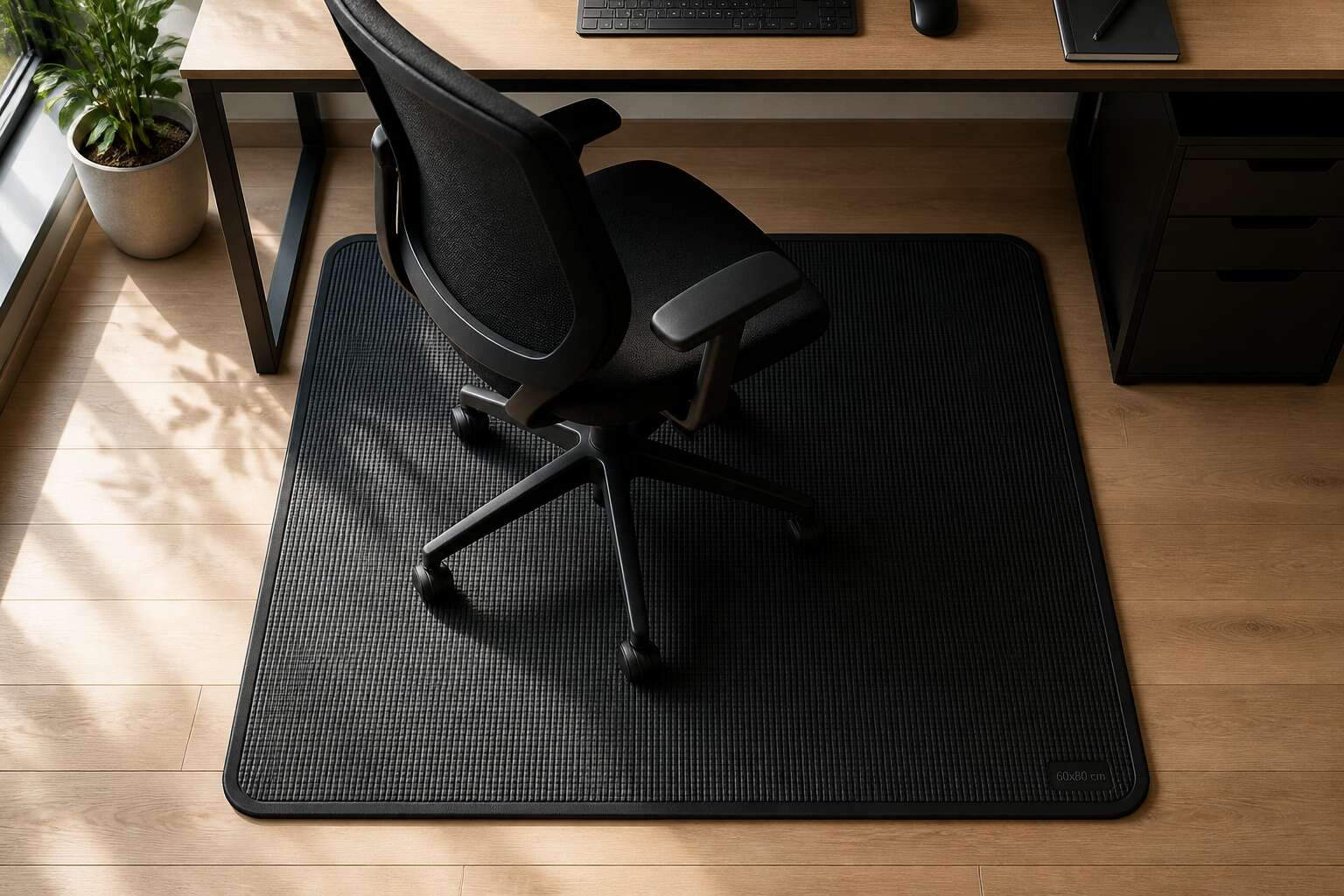
– As a protective layer for delicate flooring under office chairs
– As a stable base for pet food bowls to prevent sliding
This dual personality makes it a clever purchase for any South African home or business. It handles the heavy lifting so your floors do not have to, making it an essential tool.
Noise and Vibration Dampening Properties
The constant hum of appliances or the sharp clatter of footsteps can fracture concentration in any environment. This is where the rubber mat 60×80 transforms from a simple floor covering into an acoustic shield. Its dense cellular structure acts as a buffer, absorbing impact energy before it radiates through the floor joists and into adjacent rooms. This dampening effect reduces the percussive noise of a home gym or the persistent vibration of a washing machine, creating a more peaceful atmosphere without requiring extensive renovations.
In a workplace, the benefits are equally pronounced. A server room or a workshop filled with heavy equipment generates a low-frequency drone that contributes to fatigue. Placing this mat beneath machinery isolates the vibration, protecting sensitive equipment from subtle, continuous shock that can shorten its lifespan. The material also mitigates the sharp sounds of rolling carts or dropped tools, which can startle staff and disrupt the workflow.
- Reduces structural vibration transfer between floors.
- Minimizes the sound of rolling chair casters on hard surfaces.
- Dampens the echo in rooms with hard flooring.
By addressing the physical transmission of sound, this mat offers a practical solution to a pervasive problem. It provides a quieter, more stable foundation for daily tasks, proving that significant acoustic comfort often comes from the most unassuming of materials.
Choosing the Right Rubber Compound
Natural Rubber vs. Synthetic Alternatives
According to materials engineers, over 70% of premature mat failures trace back to the wrong elastomer choice. That selection defines the performance of your rubber mat 60×80 long before any wear appears.
Natural rubber offers exceptional elasticity and heat dissipation. It handles heavy impact with a resilience that synthetic blends struggle to match. However, it struggles against oil and ozone. Synthetic alternatives, such as neoprene or EPDM, offer better resistance to chemical exposure and operate across a broader temperature range. They trade some springiness for durability.
When considering your application, consider the environment. The best compound is the one that resists the specific elements it faces daily. Your usage scenario determines the correct polymer, not the other way around.
Recycled Rubber and Eco-Friendly Options
The selection of a compound is a performance contract written in polymers. For a rubber mat 60×80, this decision dictates how the surface responds to forklift traffic, chemical drips, or relentless UV exposure. It is the difference between a mat that flexes under load and one that cracks under pressure. The environment is the silent arbiter here, demanding a specific formulation to ensure the mat serves its purpose without becoming a liability.
Recycled rubber has moved beyond a sustainability badge. It represents a deliberate choice for industrial applications where resilience is non-negotiable. Reclaimed crumb rubber, often derived from used tyres, retains the elastic memory needed for heavy-duty use. The manufacturing process compresses these granules with a binding agent, creating a dense, shock-absorbent surface. This approach reduces landfill waste while delivering a robust workhorse for workshops, loading bays, and agricultural settings across South Africa.
However, not all recycled compounds behave identically. The quality hinges on the raw material’s purity and the binding process. Inferior blends may contain metal fragments or inconsistent particle sizes, which compromise the mat’s structural integrity over time.
– The most durable recycled mats use a high-pressure vulcanisation process.
– Look for a uniform texture that indicates a consistent blend.
– Check for a dense edge profile, which resists tearing and fraying.
– Request specifications on tensile strength and elongation at break.
When sourcing a recycled rubber mat 60×80, the focus must be on the post-industrial lifecycle, not just the initial cost. Ask how the rubber is granulated and what contaminants are removed. This scrutiny ensures the compound performs at a level comparable to virgin materials, offering a sustainable solution without sacrificing safety or longevity.
The choice between virgin and recycled content ultimately comes down to application variables. A mat exposed to extreme heat or constant abrasion may necessitate a virgin EPDM compound for maximum chemical resistance. For general workshop use, where the primary threats are physical impact and moisture, a high-quality recycled blend often provides superior value. The compound’s hardness, measured on the Shore A scale, will determine the level of cushioning and support, so align that specification with the expected foot traffic or machinery weight. Every mat tells the story of its material provenance, and the right compound ensures that story is one of enduring performance, not premature failure. The cost difference between compounds is small when weighed against the expense of replacement and the risk of workplace injury, making the correct polymer selection a matter of operational safety and financial prudence.
Texture and Surface Design for Traction
In a workshop, the space between a worker’s boots and the concrete floor is a dangerous void when filled with oil, water, or fine dust. A rubber mat 60×80 presents a critical opportunity to control that interface. But the compound alone is only half the story. The surface texture determines how effective the mat is at preventing a foot from slipping during a sudden turn, or how easily a trolley rolls across during a shift change.
Smooth finishes offer a low profile that is easy to wipe down, yet they become treacherous when coated with a film of hydraulic fluid. Conversely, deeply ribbed surfaces provide aggressive grip for dry conditions, but they can trap debris and create a trip hazard for workers carrying heavy loads. The right answer sits in the middle, depending on the specific traffic you expect to see on your rubber mat 60×80. For most general applications, a diamond pattern or a fine corrugation offers the best compromise, allowing contaminants to disperse underfoot while maintaining consistent contact.
– Consider the primary load type: whether it’s foot traffic, steel wheeled trolleys, or pallet jacks.
– Think about the likely contaminants: grease, water, or dry dust each dictate a different profile.
– Assess the likelihood of continuous standing, as overly aggressive patterns can create pressure points on feet.
Design plays a quiet role here. A mat that is too rigid in its texture won’t flex under weight, reducing the contact area and increasing slip risk. A mat that is too soft might deform permanently, losing its tread pattern and turning slippery over time. The production of a quality rubber mat 60×80 involves pressing a specific pattern into the rubber while it cures, ensuring the raised sections maintain their shape under repeated stress. When inspecting a mat, run a hand across the surface to feel for uniformity, and check the corners for any signs of weak moulding that could cause the pattern to peel away.
Color and Aesthetic Customization
The visual identity of a workspace often speaks before a single word is exchanged. Colour is not merely decorative; it influences perception, communicates hazard levels, and affects the psychological comfort of those who stand for hours. When selecting a rubber mat 60×80, the pigment choice carries as much weight as the physical properties, especially in environments where safety protocols rely on visual cues.
The compound chosen dictates how the colour holds up over time. Carbon black remains the workhorse, offering superior resilience to UV degradation and masking the inevitable scuffs of daily use. However, lighter shades, such as grey or beige, offer a distinct advantage in quality control areas. They make stray debris, metal filings, or fluid leaks immediately visible, prompting quicker cleanups and reducing the risk of contamination being tracked through the facility.
Pigment stabilisers are the quiet custodians of appearance. A poorly formulated colour will fade, chalk, or migrate to the surface, leaving a sticky residue on boots and floors. This is particularly relevant in the South African climate, where intense sunlight and heat can accelerate the breakdown of inferior dyes.
When assessing aesthetics, consider the following:
– The existing floor colour, ensuring the mat either contrasts for safety demarcation or blends for a cohesive look.
– The brand identity, using corporate colours to reinforce a sense of place and professionalism.
– The surface finish, as a gloss finish shows dirt readily while a matte finish hides scuffs but may be harder to clean.
Standardisation across different zones can simplify maintenance planning. A uniform colour palette for the rubber mat 60×80 across a workshop allows for easier stock management and ensures that replacements match the existing setup, avoiding a patchwork of mismatched tones that undermine a professional appearance.
Temperature and Weather Resistance
South African summers place a brutal demand on materials. The rubber mat 60×80 sits in direct sunlight, exposed to UV rays and surface temperatures that can exceed 60 degrees Celsius. A compound chosen without these conditions in mind will soften, crack, or lose elasticity within months.
EPDM rubber handles this climate exceptionally. It holds its shape when heatwaves roll through Mpumalanga or the Karoo, and it resists oxidation better than natural rubber. Cold mornings, especially in the highveld, make cheap compounds brittle. That brittleness leads to edge tearing where trolleys cross the mat.
Consider the environment where you will use the rubber mat 60×80:
- Outdoor loading areas require UV stabilisers and a higher hardness rating.
- Indoor spaces near furnaces or ovens need a compound rated for elevated heat.
- Humid coastal regions demand additives that resist fungal growth.
Chemical and Oil Resistance
A single stray splash of hydraulic fluid can undo a lesser mat. The rubber mat 60×80 must face solvents, acids, and grease, especially in workshop environments. A standard compound will swell, soften, or delaminate when it meets mineral oils or diesel. That failure turns a safety asset into a hazard.
The compound’s molecular structure decides its fate. Nitrile rubber resists petroleum products well, while neoprene handles milder chemicals. Consider what your workplace actually spills:
- Diesel and petrol in fleet maintenance bays.
- Lubricating oils near industrial presses.
- Cleaning solvents in food processing areas.
Matching the rubber compound to these exact fluids prevents early degradation. The rubber mat 60×80 must keep its integrity against whatever your operations throw at it. Choose based on the specific chemical exposure, not on generic labels.
Installation and Care Best Practices
Preparing the Floor Surface for Placement
Roughly 40% of flooring damage claims stem from a lack of protective matting, yet how you lay that mat down is half the battle. A simple yoga mat may work for stretches, but a serious rubber mat 60×80 demands a serious approach to floor prep.
The surface needs a thorough sweep first. Pesky pebbles and grit become grinding agents against your floor’s finish. I recommend grabbing a vacuum with a hard floor attachment to eliminate dust, especially in corners. Follow that with a damp microfibre mop to remove the invisible film of grease and residue. Let the floor dry completely; moisture trapped underneath is an enemy of adhesion and stability.
After the cleaning ritual, inspect the area for uneven spots or protrusions. You are laying a heavy, dense product, not a blanket.
1. Check for protruding nails or screws in concrete or wooden bases.
2. Level out any significant dents or holes with a floor patching compound.
3. Lay the mat in its final position and let it relax for a few hours to flatten out any curl from shipping.
Placement on a pristine, dry foundation prevents the mat from shifting and allows the rubber’s weight to anchor itself effectively. The fit should be snug but not forced against walls. Proper placement here ensures the mat serves as the robust shield it was designed to be, without sliding across your vloer or collecting moisture underneath its edges.
Anti-Slip Backing and Adhesive Solutions
It’s a familiar scenario: the mat arrives, you unroll it, and within a week, it’s curling at the corners or sliding across the floor. The frustration is real, but the fix lies in how you introduce the mat to its new home. Proper installation is about patience and preparation, not just dropping it down. Getting this right protects your flooring and extends the life of the mat itself.
The most overlooked aspect is what happens underneath. A perfectly flat surface is the foundation, but even a clean floor can betray you with subtle moisture. If you’ve just mopped, wait. That residual dampness will cause a non-slip backing to stick unevenly, creating bubbles or a sticky residue later. A dry, lint-free surface is your goal.
For those using a standard mat without adhesive, the battle is against gravity and foot traffic. An anti-slip underlay can work wonders, but it must be cut precisely to the mat’s dimensions. Any overhang becomes a trip hazard. If you prefer a permanent solution, double-sided tape specifically designed for rubber flooring is your best bet. Apply it along the perimeter and in a cross pattern in the centre. Press firmly for several minutes to ensure a strong bond.
Once installed, the care routine determines longevity. This isn’t a high-maintenance product, but it does have rules.
– Clean spills immediately with a mild detergent and water. Avoid harsh chemical solvents that break down the rubber compound.
– For stubborn dirt, use a soft-bristled brush. Never use a pressure washer, as the intense stream can fray the edges.
– Allow the surface to air dry completely before walking on it. This prevents slips and stops the backing from degrading.
For a mat that truly stays put, consider the environment. Intense heat from direct sunlight can warp the rubber, causing it to buckle. In a garage or sunroom, check the temperature regularly. If it becomes too hot to touch, provide some shade or move the mat. A little foresight here prevents a costly replacement. And remember, rotating the mat every few months ensures even wear, especially in high-traffic areas, keeping the rubber mat 60×80 looking fresh and performing its protective role for years to come. The attention to detail at installation and in daily upkeep is what separates a lasting purchase from a temporary one.
Cleaning and Disinfecting Methods
Somewhere along the line, somebody told us that harsher is better. That is a lie. We are tackling the grime on your rubber mat 60×80, not stripping paint off a battleship. The moment you reach for turpentine or that industrial degreaser under the sink, you have already lost. Those solvents attack the rubber’s molecular structure, leaving it sticky, brittle, and permanently marred. It is a slow, sad fade into a gooey mess.
Day to day, the routine is simple. Sweep or vacuum the surface to remove the abrasive grit that acts like sandpaper on your shoes. That loose dirt is the real enemy. For the sticky stuff, a dash of mild dish soap in a bucket of lukewarm water is your best friend. Dip a soft cloth, wring it out, and wipe. Please, skip the pressure washer. That jet of water finds the tiniest tear and joyfully rips it wide open like a bank statement you didn’t want to read.
When you need to sanitize, and in our current climate, we all do, forget the bleach. Use a vinegar and water solution. It is cheap, effective, and does not leave that harsh chemical smell that lingers like a bad guest. Let the solution sit for a few minutes on the surface of your rubber mat 60×80. After a good rinse, allow it to dry flat. Standing water is the one thing that will cause the backing to degrade faster than a melting ice cream cone in Durban.
During those deep cleans, I also inspect the edges. A rolled edge is a tripping hazard, and a frayed edge is a dirt magnet. Keep a soft bristle brush handy for stubborn marks.
– Use pH neutral soaps only.
– Never use abrasive scouring pads.
– Rinse with clean, cold water.
– Dry the mat completely before placing it back.
– Keep it out of direct sunlight while drying.
If you work in a space that requires frequent disinfection, do not scrub violently. You are not trying to erase the stain. You are trying to lift it. Let the solution do the heavy lifting. Apply, wait, and then blot. This method preserves the texture that gives you traction. That traction disappears when you scrub with a wire brush.
Persistent stains like oil or paint require a different tactic. You need to act fast. Absorb the excess with a clean cloth firstainer. Do not rub it into the weave. Once you have absorbed the bulk, use a solvent sparingly. But remember, the mat is rubber. It swells. It shrinks. It has moods. Giving it a proper rinse after any chemical contact is non negotiable to ensure your rubber mat 60×80 stays flat and true for the long haul.
Preventing Edge Curling and Long-Term Damage
The edge of a rubber mat 60×80 curls when the floor beneath it holds secrets. A damp subfloor or a layer of fine dust will betray you within weeks. Lay the mat only on a clean, dry, level surface. Press it down from the center outward to expel trapped air. Once placed, let it rest for 24 hours before walking on it.
Long term damage comes from neglect. Heavy furniture parked on one corner will crush the backing. Sunlight through a window will bake the rubber brittle. Rotate the mat every season to distribute wear. If an edge lifts, resist the urge to glue it down immediately. The adhesive locks in moisture and accelerates decay.
- Use a mat with a textured backing for grip
- Keep sharp tools away from the perimeter
- Inspect the underside monthly for mold
A rubber mat 60×80 thrives when given room to breathe. Do not seal it to the floor. Allow natural expansion and contraction. With these habits, the mat will outlive your patience.
Storage and Rotation Tips for Longevity
The silence of a room changes when you introduce a surface that listens. A rubber mat 60×80 will hold its counsel if you respect its needs, but ignore it, and the grime of the world will find its way into the fibers. Your hands can be the architects of its longevity or the agents of its decay.
Wash the surface with the patience of a ritualist. Use a mild detergent and water, and nothing more aggressive, for harsh chemicals will leach the vital oils from the material. Rinse thoroughly to remove any soapy residue that could attract dirt. Let the air claim it fully before you return it to its resting place, for trapped moisture is a phantom that haunts even the most robust surfaces.
To preserve its shape, roll it with the top side facing out. This relieves the tension in the material and prevents unsightly creases from setting in. Store it flat if you can; leaning it against a wall will cause it to bow. When it is time for rotation, swap the head with the foot. This simple act, performed with the turning of the seasons, will keep the surface true and even.
A rubber mat 60×80 will reward the vigilant. Check the floor beneath it during your inspections for signs of sweating or condensation. If the air in the room feels heavy or damp, improve the ventilation before you lay the mat down. A little foresight here will save you from the sorrow of a surface that has grown weary before its time.
Where to Use a Compact Rubber Mat
Home Gyms and Fitness Areas
In a home gym, that rubber mat 60×80 finds its natural home under the treadmill or behind the squat rack. The compact size fits neatly into a spare room or a converted garage, giving you a stable surface for free weights and bodyweight drills. For those in South Africa, where space often comes at a premium, this mat helps define a workout zone without dominating the floor. Typical placements include:
- Under stationary bikes or rowing machines
- In front of a bench for barbell work
- As a dedicated floor area for stretching
A rubber mat 60×80 works well on tiled or wooden floors, reducing the risk of scuffs from dropped dumbbells. It serves as a safe zone for kettlebell swings and jump rope work, keeping the floor intact. It keeps the workout area distinct from the rest of the home, which matters when you share space with family or roommates.
Workshop and Garage Floors
Where should a rubber mat 60×80 actually live? Not just in the main gym area. That footprint is a workhorse, and its real talent is fitting into odd nooks where bigger mats laugh at you. Think about the space under a standing desk if you work from home in Joburg or Cape Town. That single mat catches the fatigue from your heels during long calls, protecting your flooring from the daily grind of office chairs.
The garage workshop is another prime candidate. If you are tinkering with a motorcycle or working on a DIY project, kneeling on cold concrete is miserable. A mat this size gives you a clean, dry surface for your knees and tools without covering your entire garage floor. It also contains small spills and metal shavings, making the cleanup straightforward. For those with a practical streak, the kitchen laundry area is a surprisingly smart spot. It softens the impact when standing to fold clothes or iron, and it protects the floor from dropped detergent bottles.
Consider these specific, effective placements:
– Under a pet’s food and water bowls to catch splashes.
– At the base of a workshop bench to reduce leg strain.
– In front of a sink in a small scullery to add cushioning.
This durable rubber mat 60×80 also handles the South African elements. Use it on a covered patio under a braai stand to catch stray ash and hot coals. When the weather turns, it resists moisture and cleans off with a quick hose down. It is a simple, adaptable tool that bridges the gap between comfort and protection in places you might not have considered.
Kitchen and Laundry Rooms
The kitchen and laundry rooms are where a rubber mat 60×80 transforms from a gym accessory into a domestic shield. These spaces endure constant foot traffic and the occasional catastrophic spill. A compact mat placed in front of the sink catches the water splashes that would otherwise stain your cupboard bases. It also provides a forgiving surface for your back while you tackle a mountain of dishes.
The laundry room is a prime location for this specific footprint. The area directly in front of the washing machine is where you stand while sorting loads. That concrete or tile floor gets unforgiving after the third cycle.
Beyond the obvious spots, consider these clever placements:
– Under the dryer vent area to catch lint and stray moisture.
– At the ironing board station to protect against scorch marks and pressure dents.
– Inside the pantry doorway to catch the grit from grocery bags.
When a bottle of bleach drops, the rubber mat 60×80 absorbs the impact, preventing a crack in your tile. It also makes the cleanup of that chemical hazard a simple lift and wipe operation. This mat deals with the daily abuse of domestic life without requiring you to redo your entire floor plan.
Entryways and Mudrooms
The entrance to your home takes more abuse than any other surface in the house. Each footstep drags in the residue of the outside world. Sand from construction sites, red dust from the veld, and moisture from winter showers all accumulate in the same spot. A rubber mat 60×80 placed inside the front door catches the bulk of this debris before it travels further into your living space. The compact size fits comfortably in a standard doorway without obstructing the swing of the door or creating a tripping hazard.
Mudrooms face even tougher conditions. You deal with wet boots, dripping umbrellas, and dirty paws. The floor becomes a slippery mess that spreads throughout the house. A rubber mat 60×80 provides a stable surface that grip onto your footwear and the floor beneath it. You can wipe your feet with confidence, knowing the mat will not slide out from under you. The simple maintenance of lifting and shaking the mat outside prevents dirt from building up in the crevices of your flooring.
Consider placing the mat in these strategic areas within your entryway or mudroom:
1. Directly inside the main entrance door
2. Underneath the coat rack or shoe storage bench
3. At the back door leading to the garden or garage
Each of these spots experiences heavy foot traffic at different times of the day. A rubber mat 60×80 protects your tile or wooden floors from scratches that come from grit being ground into the surface. It also absorbs the impact of dropped keys, tools, or heavy bags. The mat handles the daily chaos of arrivals and departures, keeping your entryway cleaner and safer for everyone in your household.
Pet Areas and Kennels
Your dog’s paws carry mud, grass seeds, and grime. In rainy months, that dirt becomes paste. A rubber mat 60×80 placed at the entry catches the debris. It fits under a pet door or in the laundry room.
In kennels, it prevents paw slips on wet concrete. I have seen what a Labrador does to a hallway. A rubber mat 60×80 at the entrance solves that.
Consider these spots:
- Inside the gate of an outdoor kennel
- Underneath the water bowl area
- At the back door
South African seasons shift from dusty to drenched. This mat scrapes off paw prints before they hit the floor. Hosing it down takes seconds, and you avoid wet dog smell.
Office and Commercial Spaces
Offices carry a distinct kind of grime. Coffee drips, heel scuffs, and the fine dust brought in by the Highveld wind settle into every corner. A rubber mat 60×80 placed beneath a standing desk absorbs the impact of a hard floor, offering relief during long editing sessions. It also stops a rolling chair from carving permanent streaks into the laminate.
Break areas suffer the most. A spill near the coffee machine becomes a sticky hazard within minutes. The surface of this mat grips a cup that fumbles, preventing a splash from reaching the floor tiles. For back offices where staff print documents, the mat captures toner dust and paper fragments before they travel deeper into the workspace.
Commercial entrances demand protection. A rubber mat 60×80 sits flat against the threshold, catching the rain that drips from umbrellas during a summer downpour. The textured top pulls moisture away from the sole of a shoe, reducing the chance of a slip on the polished concrete inside. Staff who stand at a reception desk for hours will notice the difference in their knees and lower back.
Consider these spots:
– Under a reception desk
– In front of a printer or copier
– At the base of a stairwell landing
The material handles the weight of filing cabinets and heavy equipment, compressing slightly without cracking. It stays stable on floors that experience constant foot traffic, and it sanitises with a quick wipe, which matters during flu season. The mat simply absorbs the daily abuse of a working building, giving the floor beneath it a chance to stay clean and intact.


0 Comments